
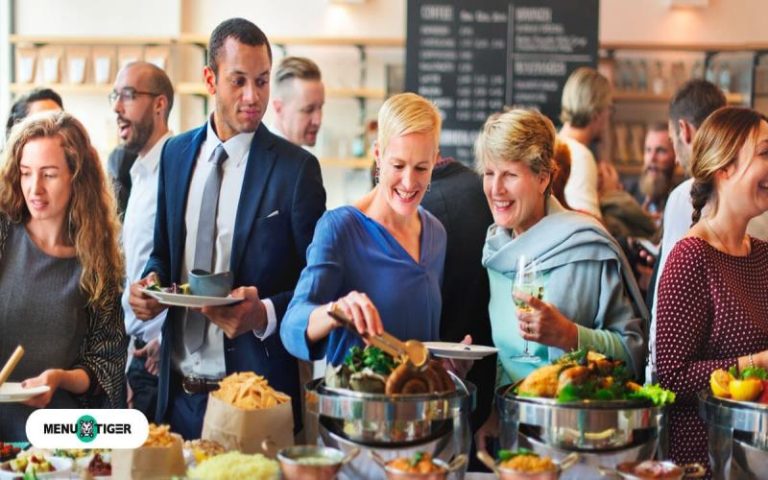
The world of catering services is changing rapidly. As people’s tastes evolve and new technology emerges, catering companies are finding innovative ways to serve delicious food efficiently. This article will explore the latest innovations in catering services before you get through the food and hospitality expo.
What is Catering?
Catering is a service that provides food and drinks for events. This could be a wedding, a birthday party, a corporate event, or any other gathering where people come together to eat and drink. Catering companies plan the menu, prepare the food, and serve it to the guests. They might also take care of other details like setting up tables, decorating, and cleaning up after the event.
Why Innovations in Catering are Important
Innovations in catering are important because they improve the quality of the food, make the service more efficient, and enhance the overall experience for guests. As the food and hospitality industry grows, new ideas and technologies help catering companies to stay competitive and meet the changing demands of their customers.
Key Innovations in Catering Services
1. Sustainable Catering
Sustainability is becoming a big focus in catering. Sustainable catering means using practices that are good for the environment. This includes using locally sourced ingredients, reducing food waste, and avoiding single-use plastics. Sustainable catering not only helps the planet but also attracts customers who care about the environment.
2. Plant-Based Menus
More people are choosing plant-based diets, and catering services are adapting to this trend. Plant-based menus offer delicious alternatives to traditional meat dishes. These menus often include a variety of fruits, vegetables, grains, and legumes. Plant-based catering is not only healthy but also caters to a growing number of vegetarians and vegans.
2. Customizable Menus
Customizable menus allow guests to choose their own dishes. This innovation is particularly popular at weddings and corporate events. It ensures that everyone gets to eat something they like. Catering companies now offer a variety of options, from different types of cuisine to special dietary menus for people with allergies or food intolerances.
3. Interactive Food Stations
Interactive food stations make the dining experience more engaging. Instead of just sitting and eating, guests can interact with the chefs and see their food being prepared. Examples include live sushi stations, pasta bars, and build-your-own taco stands. This innovation adds a fun element to events and allows guests to customize their meals.
4. Smart Kitchen Technology
Smart kitchen technology is revolutionizing catering services. This includes equipment like smart ovens, refrigerators, and dishwashers that can be controlled remotely. These devices help catering companies to prepare food more efficiently and maintain high standards of hygiene. Smart technology also reduces energy consumption, making the kitchen more sustainable.
5. Mobile Catering Units
Mobile catering units, such as food trucks and portable kitchens, allow catering companies to serve food in a variety of locations. These units are particularly popular for outdoor events and festivals. They provide flexibility and allow caterers to reach a wider audience. Mobile units are also equipped with all the necessary kitchen facilities, ensuring that the food is fresh and well-prepared.
6. Virtual Tastings and Online Booking
Virtual tastings and online booking systems have become more common, especially since the COVID-19 pandemic. Virtual tastings allow clients to sample the menu from the comfort of their homes. Online booking systems make it easier for clients to plan their events and choose their menus. These innovations save time and make the process more convenient for both the catering company and the client.
7. Health and Safety Innovations
Health and safety are always a priority in catering services. New innovations ensure that food is prepared and served in a safe and hygienic manner. This includes the use of contactless payment systems, hand sanitizing stations, and individually packaged meals. These measures help to prevent the spread of illness and ensure that guests feel safe.
8. Eco-Friendly Packaging
Eco-friendly packaging is another important innovation in catering. Catering companies are now using biodegradable and compostable packaging materials. This reduces the amount of waste generated at events and is better for the environment. Eco-friendly packaging is also appreciated by guests who are conscious of their environmental impact.
9. Gourmet Food Trucks
Gourmet food trucks are becoming a popular choice for catering events. These trucks offer high-quality, restaurant-style food in a casual setting. They are perfect for outdoor events and can serve a large number of guests quickly. Gourmet food trucks often feature a specific type of cuisine, such as Mexican, Italian, or BBQ, adding a unique flavor to the event.
10. Food and Beverage Pairings
Food and beverage pairings enhance the dining experience by matching dishes with complimentary drinks. This could include wine pairings, craft beer pairings, or even non-alcoholic options like tea or juice. Professional caterers have the expertise to create perfect pairings that bring out the best flavors in both the food and the drink.
11. Dietary and Allergy-Friendly Options
Catering services are now more inclusive by offering options for guests with dietary restrictions and allergies. This includes gluten-free, dairy-free, nut-free, and low-sugar options. By providing these alternatives, caterers ensure that all guests can enjoy the food without worrying about their health.
12. Fusion Cuisine
Fusion cuisine combines elements from different culinary traditions to create unique dishes. This trend is popular in catering because it offers something new and exciting for guests. Examples include sushi burritos, Korean BBQ tacos, and Italian-Asian fusion dishes. Fusion cuisine showcases the creativity of the chefs and adds an adventurous twist to the menu.
13. Pop-Up Restaurants
Pop-up restaurants are temporary dining experiences that offer a unique and exclusive atmosphere. These can be set up in unusual locations, such as rooftops, gardens, or art galleries. Pop-up restaurants are perfect for special occasions and provide a memorable dining experience. They also allow chefs to experiment with new dishes and concepts.
14. Technology-Driven Event Planning
Technology is making event planning easier and more efficient. Catering companies use software to manage bookings, track inventory, and coordinate staff. This ensures that everything runs smoothly and reduces the risk of errors. Clients can also use event planning apps to choose menus, track RSVPs, and communicate with the catering team.
15. Themed Events
Themed events are a fun and creative way to enhance the catering experience. Whether it’s a tropical luau, a 1920s speakeasy, or a winter wonderland, themed events create a cohesive atmosphere that guests will remember. Catering companies can design menus, decorations, and even staff costumes to match the theme, making the event truly special.
16. Personalized Catering Services
Personalized catering services take customization to the next level. Caterers work closely with clients to create a menu and dining experience that reflects their personal tastes and preferences. This could include family recipes, favorite dishes, or even a specific dining style. Personalized services ensure that the event is unique and meaningful to the client.
17. Virtual Reality Dining
Virtual reality (VR) dining is an emerging trend in catering. Using VR headsets, guests can experience a different environment while enjoying their meal. This could be dining on a beach, in a forest, or even in a different country. VR dining adds an immersive element to the event and provides a novel experience for guests.
18. Multi-Sensory Dining Experiences
Multi-sensory dining engages all the senses, not just taste. This could include elements like scented candles, ambient music, and textured table settings. Multi-sensory dining enhances the overall experience and makes the meal more memorable. It’s a creative way to impress guests and create a lasting impression.
19. Interactive Cooking Classes
Interactive cooking classes allow guests to get hands-on experience in the kitchen. These classes can be part of the catering service, where a chef guides guests through the preparation of a dish. It’s a fun and educational activity that adds value to the event. Guests leave with new skills and a deeper appreciation for the food they’ve enjoyed.
20. Artisanal and Handcrafted Foods
Artisanal and handcrafted foods focus on quality and craftsmanship. These foods are made using traditional methods and often feature local, high-quality ingredients. Artisanal catering offers a unique and authentic dining experience. Examples include handmade pasta, artisanal cheeses, and small-batch charcuterie.
21. Seasonal and Local Menus
Seasonal and local menus highlight ingredients that are fresh and in season. This approach not only ensures the best flavors but also supports local farmers and producers. Seasonal menus are more sustainable and can change throughout the year, offering variety and showcasing the best of what each season has to offer.
22. Edible Decorations
Edible decorations are a creative way to enhance the presentation of the food. This could include edible flowers, garnishes, or even sculptures made of chocolate or sugar. Edible decorations add a wow factor to the event and make the food more visually appealing.
23. Self-Service Buffets with a Twist
Self-service buffets are evolving with new twists to make them more engaging. This could include themed stations, interactive elements, or even DIY dessert bars. Self-service buffets allow guests to choose what they want and how much they want, reducing food waste and catering to different tastes.
24. Mindful Eating Experiences
Mindful eating experiences encourage guests to slow down and savor their food. This could include guided tastings, where a chef explains the flavors and origins of each dish, or meditation sessions before the meal. Mindful eating promotes a deeper connection with the food and enhances the overall dining experience.
25. Farm-to-Table Experiences
Farm-to-table experiences bring guests closer to the source of their food. This could include farm tours, where guests see where the ingredients are grown, or even meals served on the farm itself. Farm-to-table catering emphasizes fresh, local ingredients and offers a unique and educational experience.
26. Culinary Storytelling
Culinary storytelling weaves a narrative into the dining experience. This could include stories about the origins of the dishes, the history of the ingredients, or the chef’s personal journey. Culinary storytelling adds depth to the meal and creates a more engaging and memorable experience.
27. Hybrid Catering Models
Hybrid catering models combine different elements to create a unique dining experience. This could include a mix of traditional sit-down service and interactive stations, or combining catering with entertainment like live music or performances. Hybrid models offer flexibility and can be tailored to suit different types of events.
28. High-Tech Presentation Tools
High-tech presentation tools, such as digital menus, projection mapping, and holographic displays, are making their way into catering. These tools enhance the visual appeal of the food and create a high-tech, futuristic dining experience. They also provide practical benefits, such as easy updates to the menu or showcasing nutritional information.
29. Experiential Dining
Experiential dining goes beyond just eating and involves the guests in a unique, immersive experience. This could include dining in complete darkness, having a meal suspended in the air, or even dining in a themed environment like a pirate ship or a jungle. Experiential dining creates unforgettable memories and makes the event truly special.
Conclusion
Innovations in catering services are transforming the food and hospitality industry. From sustainable practices and plant-based menus to high-tech kitchens and interactive experiences, these innovations improve the quality of the food, enhance the guest experience, and make catering more efficient. As the industry continues to evolve, we can expect even more exciting developments in the future. Whether you’re planning a wedding, a corporate event, or a special celebration, these innovations offer new and creative ways to make your event a success. Don’t forget to take a look at the Food and Hospitality Exhibition for more ideas!