
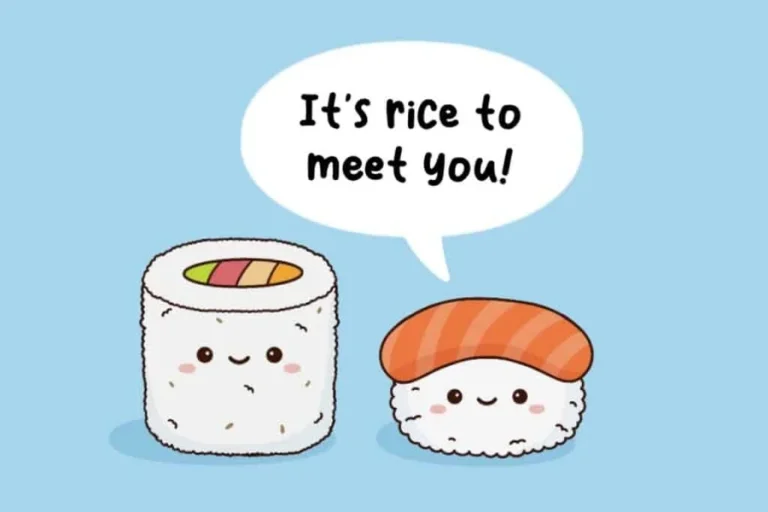
Delivering a speech that resonates and sticks with your audience is a challenge that many public speakers face. One of the most effective tools to enhance recall and engagement is the strategic use of puns. Puns add a layer of wit, humor, and cleverness that can transform an ordinary speech into a memorable experience. In this article, we explore how to use puns to make your speeches more impactful, engaging, and unforgettable. Your pun sanctuary is crackuppuns.
The Psychological Power of Puns in Speeches
Puns work by engaging the audience’s cognitive faculties in a unique way. They require the listener to process a double meaning or a play on words, which activates mental pathways that enhance memory retention. When people hear a well-placed pun, they experience a brief moment of surprise and delight, which increases emotional engagement—a key factor in how memories form and endure.
By integrating puns into your speech, you are not just conveying information; you are creating a memorable moment that listeners are more likely to recall and talk about later. This creates a lasting connection between your message and your audience’s mind.
Enhancing Audience Engagement with Clever Wordplay
A speech filled with monotonous statements risks losing the audience’s interest quickly. Incorporating puns introduces an element of playfulness that breaks the monotony and keeps listeners alert and entertained. Clever wordplay invites the audience to become active participants, decoding the layered meanings and enjoying the humor embedded within your message.
This engagement fosters a positive atmosphere and encourages your audience to pay closer attention, which naturally leads to better retention of your key points. When you use puns skillfully, you transform passive listeners into engaged participants.
Building Rapport and Humanizing Your Speech
Public speaking is not just about delivering information; it’s about connecting with people. Puns can humanize your speech, making you appear more approachable, relatable, and authentic. Humor is a universal bridge that brings people together, and puns are a subtle yet powerful form of humor.
By lightening the mood with puns, you break down barriers between yourself and your audience. This creates a sense of camaraderie and trust, making listeners more receptive to your message. A well-timed pun can be the perfect icebreaker, especially at the beginning of a speech or when transitioning between complex topics.
Strategic Placement of Puns for Maximum Impact
The effectiveness of puns depends not only on their cleverness but also on their timing and placement within your speech. Here are some strategic points where puns can amplify memorability:
Opening Your Speech
Starting with a pun grabs attention immediately and sets a lively tone. It signals to the audience that the speech will be engaging and not overly dry. An opening pun related to your topic creates a thematic anchor that your audience can carry throughout your presentation.
Introducing Key Ideas
When unveiling important concepts or transitions, a relevant pun can help emphasize the point. The humor embedded in the pun makes the concept stickier, ensuring that listeners associate your key messages with a lighthearted moment that stands out.
Concluding Your Speech
Ending with a pun leaves the audience with a final memorable impression. A clever closing pun can encapsulate your core message, making it resonate longer after the speech is over. This is critical as conclusions are what audiences tend to remember most.
Crafting Effective Puns That Enhance Clarity
Not all puns are created equal. To truly enhance your speech, puns must be clear, relevant, and easy to understand. Ambiguous or overly complicated puns risk confusing your audience and undermining your credibility.
Relevance to Your Topic
Puns should be tightly linked to your speech’s subject matter. A pun that feels forced or off-topic can distract or irritate listeners. Instead, integrate wordplay that highlights or complements your main points to reinforce your message.
Simplicity and Accessibility
Avoid puns that rely on obscure references or complex language. The goal is to make your audience smile or chuckle without making them work too hard to get the joke. Simple puns that everyone can grasp increase the likelihood of a positive reaction.
Balance Humor with Professionalism
While puns add humor, it’s essential to maintain a professional tone appropriate to your audience and occasion. Overusing puns or inserting them inappropriately can dilute your message or make you seem less credible. Use puns sparingly and thoughtfully to strike the right balance.
Examples of Powerful Puns in Speeches
To illustrate the effectiveness of puns, consider these examples adapted for various contexts:
- Corporate Presentation: “Our strategy is really ‘working overtime’ to deliver results you can count on.”
- Environmental Talk: “We must ‘leaf’ no stone unturned in protecting our forests.”
- Health Seminar: “Let’s ‘exercise’ our minds before our bodies.”
- Education Conference: “Teaching is a ‘class act’—it’s where learning truly ‘takes root.’”
These puns reinforce the message while injecting light humor that enhances audience recall.
Using Puns to Support Storytelling in Speeches
Storytelling is a powerful rhetorical tool, and puns can amplify its effect. Integrating puns within stories creates memorable narrative moments that captivate audiences. A well-timed pun in a story acts as a memorable punchline that reinforces the story’s point while making it entertaining.
Moreover, puns in storytelling encourage listeners to engage emotionally and intellectually, increasing the likelihood that your speech will be remembered long after it ends.
Overcoming Challenges When Using Puns
Some speakers hesitate to use puns fearing they may fall flat or seem gimmicky. Here are ways to mitigate common pitfalls:
- Practice Delivery: Puns rely heavily on timing and tone. Practice to ensure your delivery enhances the pun rather than undermines it.
- Know Your Audience: Tailor your puns to the cultural and professional background of your listeners to avoid misunderstandings.
- Avoid Overuse: Use puns judiciously to keep them fresh and impactful rather than tiresome.
- Stay Authentic: Choose puns that fit your speaking style and personality to maintain authenticity.
By preparing carefully and using puns thoughtfully, you can avoid common mistakes and leverage their full power.
Integrating Puns into Speech Preparation
Effective pun usage begins in the preparation phase. Brainstorm puns related to your topic and identify natural places in your speech where they can fit without disrupting flow. Write your speech with puns integrated seamlessly into the narrative rather than inserted as afterthoughts.
Reading your speech aloud during practice helps you gauge how the puns land and refine your timing and emphasis. Adjust or remove puns that feel forced or awkward.
The Lasting Impact of Puns in Public Speaking
When used skillfully, puns elevate your speeches by enhancing memorability, increasing engagement, and building rapport. They create moments of levity that energize your audience and make your message resonate longer. Speakers who master the art of punning gain a distinct advantage in captivating and inspiring their listeners.
In today’s fast-paced world, where attention spans are short and competition for interest is fierce, using puns to make your speeches more memorable is a strategic and impactful approach.