
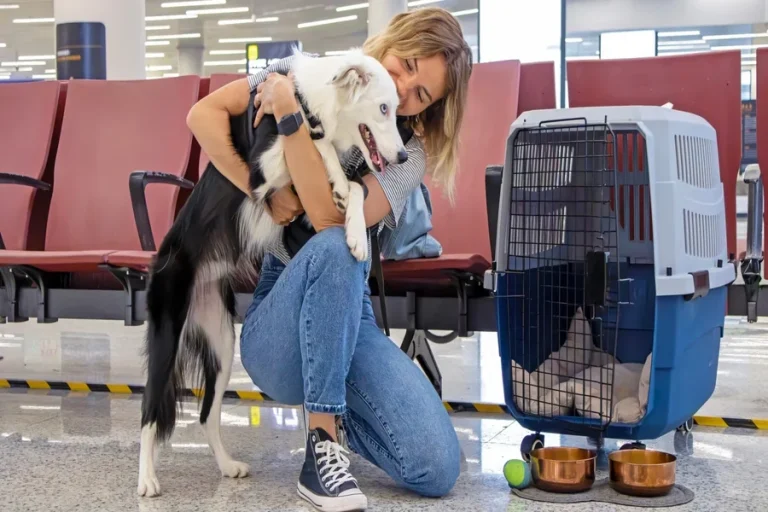
When travel plans come together quickly, most people focus on flights, hotels, and packing. For the roughly 63% of Alberta households that own at least one pet, there is a step that often gets overlooked until the last possible moment: figuring out what happens to the dog.
Alberta has the highest pet ownership rate of any province in Canada. That is not a small detail. It means that on any given weekend, a significant portion of the nearly 7.9 million passengers who moved through Edmonton International Airport (YEG) in 2024 left someone behind at home with four legs and a food bowl. For families and working professionals in the Edmonton metro region, sorting out pet care logistics under time pressure is practically a rite of passage.
This article walks through how Edmonton-area pet owners approach that problem, and what separates a genuinely stress-free trip from one spent refreshing a neighbour’s text updates.
The Last-Minute Vacation Problem Is Real Here
Edmonton sits at an interesting geographic crossroads. The Queen Elizabeth II Highway connects the city to Calgary in the south and the Peace Country in the north, making weekend road trips a staple for local families. Add YEG’s growing roster of non-stop domestic, transborder, and international routes, including newer service to Atlanta, Nashville, and Amsterdam, and it is clear that Edmontonians travel. A lot.
That travel corridor extends through the Leduc County corridor, past the Nisku Industrial Business Park (one of the largest industrial parks in Western Canada), and right into the airport. For residents of communities like Beaumont, Leduc, and the southwest Edmonton neighbourhoods of Allard and Desrochers, the airport is genuinely close. And closeness to an airport tends to accelerate how quickly travel decisions get made.
The problem for pet owners is that a last-minute flight deal does not leave much runway for arranging care. A Tuesday alert for a Thursday departure means calling around, checking availability, and making a decision without much time to be choosy.
What Most Pet Owners Get Wrong
There are a few patterns that tend to create problems for Edmonton pet owners managing last-minute travel.
Relying solely on informal arrangements. Asking a neighbour or family member to check in once a day is often the first instinct, and it works until it does not. Pets, particularly dogs, need consistent routines, exercise, and social interaction. A well-meaning friend who pops in after work is not a substitute for structured daily care, especially for higher-energy breeds.
Waiting too long to secure a spot. Reputable boarding facilities in the Edmonton region fill up quickly around major long weekends, including Heritage Day in August, the February long weekend, and the Thanksgiving and Christmas holiday stretches. Even mid-summer availability can be tight. Pet owners who wait until the week before a trip sometimes find themselves out of options or making rushed decisions about facilities they have not properly vetted.
Not having current vaccination records on hand. Licensed pet care facilities require current vaccination certificates before check-in. This is a safety standard that protects every animal in the facility. When plans come together quickly, owners sometimes discover they are missing an up-to-date rabies or bordetella record, which can delay or cancel a booking entirely.
Underestimating their pet’s anxiety around transitions. Some dogs, particularly those that have never been boarded, need a slower introduction to a new environment. A last-minute trip does not always allow for a trial stay or an orientation visit, which can make drop-off harder on both the pet and the owner.
What the Better-Prepared Pet Owners Do Differently
Pet owners who navigate last-minute travel without significant stress tend to share a few habits.
They keep their dog’s vaccination records accessible and up to date, usually stored digitally so they can be emailed or shown on a phone. They have already identified one or two facilities they trust, ideally ones they have used before or toured in advance. And they understand that proximity to the airport matters when travel timelines get compressed.
This last point is worth dwelling on. For pet owners departing out of YEG, a boarding facility located near the airport corridor means less driving time on departure day and on return, which is a meaningful logistical advantage when flights are early or late arrivals lead straight to pickup.
The Leduc County and Nisku area, positioned directly south of Edmonton along Highway 2, has become a natural hub for this kind of practical service. Facilities in this corridor are close to the airport, accessible from both Edmonton and surrounding communities like Beaumont and Leduc, and serve a population that travels regularly for both work and leisure.
Club Mead, operating out of Nisku since 1993, is one of the more established examples of this. As a licensed, insured facility offering dog boarding, daycare, and grooming, it has built its reputation among Edmonton-area pet owners who value consistency and a structured care environment. Their process requires current vaccination certificates, provides heated and regularly sanitized accommodations, and includes daily exercise and socialization, which is the baseline travellers should look for regardless of which facility they choose. You can review Club Mead Pet Resort’s dog boarding services to get a sense of what a well-structured facility looks like in practice.
How to Evaluate a Facility Quickly When Time Is Short
When you do not have weeks to research, you need a faster framework. Here is a practical checklist for Edmonton-area pet owners vetting a boarding facility under time pressure:
Licensing and insurance. This is non-negotiable. A licensed facility operates under provincial standards. Ask directly if you are unsure.
Vaccination requirements. A facility that does not require current vaccination records for all animals is a red flag, not a convenience. You want those requirements in place to protect your pet from other animals in the facility.
Sanitation practices. Ask how often runs and resting areas are cleaned. Heated, regularly washed surfaces matter more than amenities like TV screens or themed suites.
Staff background and training. Ask whether staff are trained in pet behaviour and emergency response. Smaller, family-operated facilities often have lower staff turnover and more consistent care than larger chain operations.
Communication during your stay. Will you receive updates? Can you call and check in? Clear communication practices are a sign of a well-run operation.
Check-in and check-out flexibility. When you are travelling, your schedule is not always clean. A facility that can work with early drop-offs, late pickups, and online booking reduces stress on departure day.
Planning Around Alberta’s Travel Calendar
Edmonton pet owners have a few predictable crunch periods to watch for when planning pet care:
Heritage Day (early August). The August long weekend is one of the most popular travel windows in the province, and boarding facilities in the Edmonton region fill up several weeks in advance.
February Long Weekend. Many Alberta families use this weekend for ski trips to the Rockies or sun destination getaways. YEG sees a consistent spike in transborder travel volume around this time.
Thanksgiving and Christmas. These are the highest-demand periods for boarding across the region. Facilities that operate through the holidays, and not all do, typically have waitlists for December dates that open months in advance.
Work travel peaks in spring and fall. The energy and industrial sectors that anchor the Nisku and Leduc economy send workers across Western Canada and internationally throughout the year. Many of Club Mead’s repeat clients are working professionals in these sectors whose schedules can shift with little notice.
For owners of multiple dogs or larger breeds, capacity constraints become even more relevant. Not every facility can accommodate multiple animals from the same household together, which is a detail worth clarifying during any booking.
A Note on the Local Geography
Pet owners in southwest Edmonton, including the Allard and Desrochers neighbourhoods, as well as those in Beaumont and the Leduc area, are particularly well-positioned to use airport-corridor boarding facilities. The drive south on the QE2 from these communities is short, and it puts you within a few minutes of both the airport and established boarding options.
For those coming from Sherwood Park or the northeast, the calculus is slightly different, but the same logic applies: locking in a facility near your departure point reduces the variables on travel day.
The Leduc No. 1 Energy Discovery Centre, Red Tail Landing, and the Premium Outlet Collection EIA are all recognizable landmarks in this corridor, which gives you a sense of the geographic range. Club Mead sits within this same southern Edmonton catchment area, making it a practical option for much of the metro region.
The Bottom Line
Last-minute travel is going to happen. Flight deals appear. Work trips get booked. Family plans come together faster than expected. For Edmonton pet owners, the difference between a trip that goes smoothly and one that creates lingering guilt or logistical headaches usually comes down to one thing: having a plan already in place before you need it.
That means knowing which facility you trust, keeping your dog’s records current, and understanding your region’s booking timeline. In a province with the highest pet ownership rate in Canada and an airport that served nearly 8 million passengers in 2024, the demand for reliable local pet care is not slowing down. The pet owners who handle this the best are the ones who treat it as part of their travel planning, not an afterthought.
Your dog deserves consistency whether you are home or not. Finding the right facility before you need it is the most practical thing you can do for both of you.