
Water damage often strikes quickly—from a burst pipe, a leaking roof, or a flooded basement. While initial damage might seem minor, the true destruction frequently hides below the surface. Concealed moisture can weaken your home’s structure, destroy insulation, and foster mold growth. Early recognition of warning signs is crucial for homeowners to prevent expensive repairs and lasting damage. Prompt professional water damage restoration can protect both your property and your wallet.
1. Persistent Musty Odors
A persistent musty or damp odor often signals water damage that’s not immediately visible. Even after initial cleanup, this unpleasant smell suggests moisture has seeped into walls, carpets, or flooring. Such odors frequently indicate hidden mold or mildew growth. Mold thrives in dark, humid environments and can develop within 24 to 48 hours of water exposure. The longer moisture remains trapped, the more difficult it becomes to resolve the issue. Promptly addressing these odors with professional assessment prevents mold from spreading and ensures safe indoor air.
2. Discoloration and Stains on Walls or Ceilings
Yellowish or brown stains on walls and ceilings often signal water infiltration. What seems like minor discoloration can point to active leaks or trapped moisture within drywall or insulation. These stains darken and spread over time, indicating continuous water seepage through structural materials. Seasonal weather changes can cause roof or pipe leaks, so homeowners should watch for recurring spots or streaks. Ignoring discoloration can lead to weakened drywall, structural instability, and hidden mold, requiring extensive repairs.
3. Warping or Buckling Floors
Floors that feel uneven or soft underfoot can indicate water damage beneath the surface. When moisture accumulates, materials like hardwood, laminate, and vinyl can warp or buckle. Even concrete floors may show signs of damage if water has penetrated the foundation. Warping affects your home’s appearance and suggests the subfloor might be compromised. In severe cases, flooring may need to be completely replaced to prevent decay or safety hazards. A professional water damage restoration service can assess the damage and dry the affected areas to stop the problem from worsening.
4. Peeling Paint or Bubbling Wallpaper
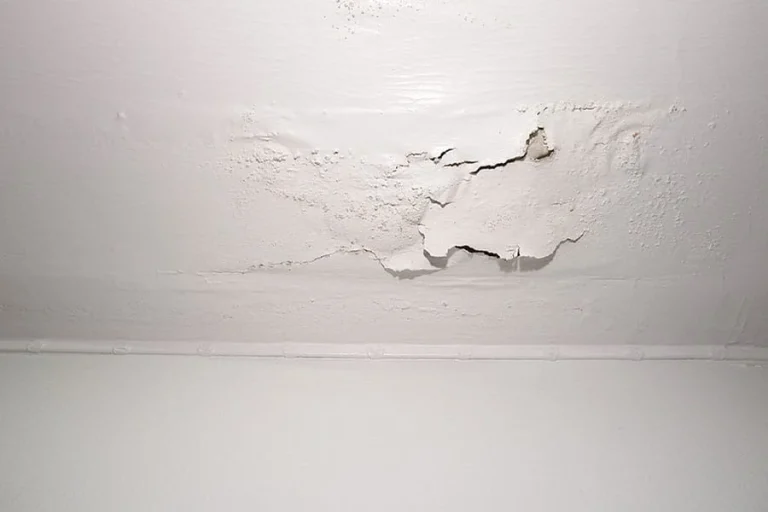
When moisture gets trapped behind painted walls or wallpaper, it causes the surface to bubble or peel. Many homeowners try to repaint or patch these areas, but without addressing the source of the moisture, the problem will return. This issue often indicates hidden leaks behind walls or ceilings. If left unresolved, it can lead to mold growth and damage to insulation or wood framing. Identifying and fixing the root cause early can help prevent expensive structural repairs later.
5. Mold Growth in Unexpected Places
Visible mold is always a concern, but when it appears in unexpected places like windows, air vents, or baseboards—far from known water leaks—it could signal broader moisture problems. Even small patches might indicate deeper water damage within your home. Mold spores spread easily through the air, reducing indoor air quality and potentially causing allergies or respiratory issues. In humid conditions or after flooding, mold can grow rapidly. Professional restoration is essential for safe removal and preventing future growth.
6. Unexplained Spikes in Utility Bills
A sudden jump in your water bill often points to a hidden leak. Even a small, constant drip can waste hundreds of gallons and cause damage over time. Check your home for damp spots, dripping sounds, or standing water near appliances and plumbing. If nothing is visible, the leak might be inside walls or under floors. Professionals can detect and repair these issues before they worsen.
7. Structural Cracks or Sagging
When water gets into your home’s foundation or structural elements, it can weaken them. Look for cracks in the walls, sagging ceilings, or uneven floors, as these are signs that water has caused materials to repeatedly expand and contract. These problems don’t just threaten your home’s stability—they can also lower its value. In serious cases, structural water damage might require major repairs. Addressing the issue quickly will protect your property’s foundation and help maintain its safety and integrity.
8. Rust or Corrosion on Metal Fixtures
Moisture doesn’t just affect wood and drywall; it also corrodes metal components like pipes, nails, and electrical wiring. Rust around plumbing fixtures, baseboards, or HVAC systems often signals water damage beyond what’s visible. This corrosion can lead to plumbing leaks, electrical hazards, or appliance failure if not addressed quickly. Early intervention prevents more serious issues, protecting both property and personal safety.
Conclusion
Water damage is often more serious than it seems at first. A small leak or damp spot can quickly lead to structural issues, mold growth, and health risks if left unaddressed. Homeowners should watch for early warning signs and take immediate action. Professional water damage restoration in Salt Lake City ensures your property is thoroughly dried, sanitized, and safeguarded against future problems. Acting quickly helps protect your home’s value and ensures a safer, healthier space for your family.


