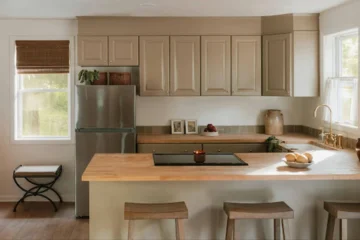

Updating your kitchen can significantly enhance its functionality, beauty, and value. However, it’s a major investment requiring careful planning. Whether you’re planning a full renovation or minor upgrades, knowing where to begin can greatly impact results and cost efficiency. If you’re considering a kitchen remodel, here are the first things to think about.
1. Define Your Goals and Vision
Before making any design decisions, clarify your main reasons for updating your kitchen. Do you want to improve functionality, increase storage, modernize the style, or enhance resale value? Understanding your priorities helps create a plan aligned with your lifestyle and long-term needs. Visualize how you want your new kitchen to look and feel. Collect inspiration from magazines or online galleries to refine your ideas. Whether you prefer a cozy traditional space or a sleek, modern layout, a clear vision allows for cohesive design choices from the start. This ensures your remodeling project stays focused and purposeful.
2. Establish a Realistic Budget
Setting a clear budget early helps avoid financial surprises. Factor in costs for materials, labor, and appliances, and set aside a contingency fund for unexpected expenses. Tracking your spending will keep the project affordable and stress-free. Be realistic about your financial limits and prioritize the upgrades that matter most. For instance, quality cabinetry or countertops can provide long-term value, while decorative finishes can be adjusted to fit your budget. A well-planned budget keeps your remodel on track and guides smart financial decisions.
3. Evaluate the Existing Layout
Before making big changes, assess your current kitchen layout. Consider your daily use for cooking, prepping, or entertaining. Evaluate the efficiency of your ‘work triangle’ (sink, stove, refrigerator). Often, a full renovation isn’t needed; reorganizing cabinets, upgrading lighting, or replacing fixtures can significantly improve functionality. If the layout feels cramped or inefficient, a professional redesign might be worth considering for a more open and accessible space. Understanding your current setup’s strengths and weaknesses is key to designing a practical and comfortable kitchen.
4. Choose the Right Materials
Your choice of materials significantly impacts your kitchen’s appearance, durability, and required maintenance. From countertops and flooring to cabinetry, the right materials enhance both function and style. Select options that suit your lifestyle; for instance, durable surfaces like quartz or granite are ideal for busy families, while hardwood floors add warmth. Also, consider easy-to-clean backsplashes and moisture-resistant paint to keep your kitchen looking fresh. Investing in quality materials ensures your new kitchen will be beautiful and built to last.
5. Prioritize Lighting and Ventilation
A well-lit kitchen enhances visibility, safety, and ambiance. For your kitchen remodeling in Kaysville, combine task, ambient, and accent lighting. Under-cabinet lights illuminate workspaces, while pendant lights over an island add style. Good ventilation is equally important—install a range hood or exhaust fan to remove cooking odors and maintain air quality. Poor ventilation can lead to persistent smells and moisture buildup. Balancing lighting and ventilation creates a functional, inviting kitchen.
6. Focus on Storage Solutions
Efficient storage can completely transform your kitchen. Assess how you currently store cookware, utensils, and pantry items. Consider adding deep drawers, pull-out shelves, or built-in organizers to maximize efficiency. If space permits, an island or pantry cabinet can provide extra storage and countertop area. Smart storage design eliminates clutter and utilizes every corner of your kitchen, keeping it tidy, efficient, and pleasant to use daily.
When planning your kitchen update, it’s essential to consider the overall flow and functionality of the space. Think about how you use your kitchen daily and what improvements could enhance your experience. Whether it’s adding more storage, upgrading appliances, or changing the layout, these changes can significantly impact your home’s value and your quality of life. If you’re ready to take the next step, start your Gainesville FL home remodel today and transform your kitchen into a space that truly meets your needs and style preferences.
7. Think About Long-Term Use
Plan your kitchen update for the long term. Choose designs and materials that remain functional and appealing over time. Incorporate accessibility features, such as wider walkways or adjustable-height counters. Timeless designs and neutral colors prevent quick obsolescence. Making future-focused choices boosts your home’s value and avoids unnecessary renovations, ensuring your kitchen adapts to evolving needs.
Conclusion
A successful kitchen remodel starts with careful planning. Defining your goals, choosing durable materials, and designing with the future in mind are all key steps in creating a space that is both functional and stylish. By taking the time to consider these factors, you can create a kitchen that enhances your daily life and provides long-lasting satisfaction.