
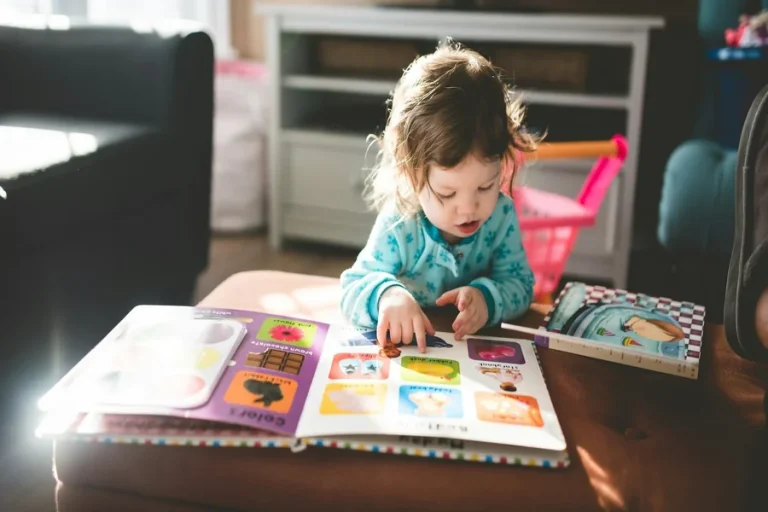
For many children on the autism spectrum, learning is most effective when it takes place in a familiar, comfortable setting. While clinic-based Applied Behavior Analysis (ABA) programs offer structure and controlled environments, an increasing number of families are embracing in-home ABA because of its unique ability to blend therapeutic techniques with real-life routines. By meeting children where they naturally learn, communicate, and play, therapists can create meaningful growth opportunities that feel organic and approachable.
Families seeking flexible, child-centered care often turn to ABA therapy in-home in Illinois for support. This model allows therapists to work directly within the environments where children spend most of their time, helping them build essential skills in ways that translate seamlessly into everyday life.
Why a Child’s Natural Environment Matters
Children learn best when they feel safe, supported, and understood. A natural environment—such as the home or community—creates familiar routines, sensory experiences, and social interactions that can strengthen the effectiveness of ABA interventions.
Comfort Reduces Stress
A child’s home is often their most secure space. When therapy begins in a familiar environment, children typically experience less anxiety, making it easier to focus on learning new skills.
Learning Happens in Real Time
Homes offer countless opportunities for natural teaching moments: getting dressed, meal routines, playtime, communication with family members, and daily transitions. These moments become authentic opportunities for skill-building.
Flexibility for Family Schedules
In-home therapy allows families to integrate sessions into their daily lives without extensive travel, making support more accessible and consistent.
Key Benefits of In-Home ABA Therapy
Delivering ABA therapy at home offers unique advantages that support children’s growth in a practical, holistic way.
Skills Generalize More Easily
One of the biggest challenges in therapy is helping children use new skills outside structured clinical settings. In-home ABA begins where generalization is most important—right in the child’s everyday environment. This helps children apply communication, behavior management, and social skills consistently.
Strengthened Parent and Caregiver Involvement
Parents play an essential role in their child’s learning. In-home sessions naturally involve parents, offering hands-on training and guidance so they can reinforce skills throughout the day. Families learn strategies for:
- Managing challenging behaviors
- Encouraging communication
- Supporting transitions
- Building routines that encourage independence
This collaboration ensures progress continues long after sessions end.
Realistic Behavior Observation
Therapists can observe a child’s actions in authentic situations—interacting with siblings, navigating playtime, or responding to home routines. These observations help them tailor interventions that address actual daily challenges rather than hypothetical scenarios.
Improved Independence
Because children learn skills where they use them, independence often develops more quickly. Tasks like brushing teeth, cleaning up toys, or using utensils become natural practice opportunities.
Support for Sibling and Family Dynamics
Many families appreciate that in-home therapy can address relationship-building within the household. Therapists can help siblings learn to communicate, share, or support each other, strengthening family bonds and reducing household stress.
Adaptability to Sensory Needs
Children with autism often experience sensory sensitivities. The home environment allows therapists to identify triggers, comfort items, and sensory preferences more easily. This insight allows for personalized strategies that help children feel regulated and understood.
Skill Areas That Thrive With In-Home ABA
ABA therapy supports a wide range of developmental skills, many of which are especially well-suited for natural-environment teaching.
Communication Skills
Practicing language at home—whether asking for a snack, responding to parents, or engaging in conversation during play—helps children develop communication skills that naturally fit into their daily lives.
Social and Play Skills
The home environment offers opportunities to learn turn-taking, cooperative play, and emotional understanding with siblings or caregivers. These interactions help children become more comfortable in social settings outside the home as well.
Emotional Regulation
Children practice coping strategies in real-world moments, such as handling transitions, unexpected changes, or frustrations that occur naturally throughout the day.
Daily Living and Self-Help Skills
Routines like dressing, washing hands, eating, and organizing personal items are more effectively taught in the spaces where they occur. Children build independence while gaining confidence in their own abilities.
Safety and Awareness
Practicing safety skills—such as staying out of unsafe areas, navigating the home safely, or learning rules about doors and visitors—is easier and more meaningful when done in the home environment.
The Power of Parent-Therapist Collaboration
In-home ABA strengthens the therapeutic alliance by giving parents direct access to the strategies therapists use. This partnership reinforces consistency and helps children progress more quickly.
Families often report that in-home therapy provides:
- Greater understanding of their child’s needs
- Confidence in addressing challenging behaviors
- Clearer insight into developmental milestones
- Practical tools they can use throughout the day
This collaborative model empowers parents to become active participants in their child’s growth.
Creating Meaningful Progress in Everyday Spaces
Delivering ABA therapy in a child’s natural environment bridges the gap between structured learning and real-life application. When children learn at home, they practice skills where they matter most—during meals, play, routines, and family interactions. This real-world practice helps children grow not just in therapy, but throughout every part of their day.
For families in Illinois, in-home ABA offers a compassionate, personalized approach that adapts to each child’s strengths, challenges, and rhythms. It turns the home into a supportive learning environment where progress feels natural, achievable, and deeply connected to daily life.
By nurturing growth where children feel most themselves, in-home ABA therapy gives families the opportunity to build skills, strengthen bonds, and create brighter futures—right from the heart of home.


