
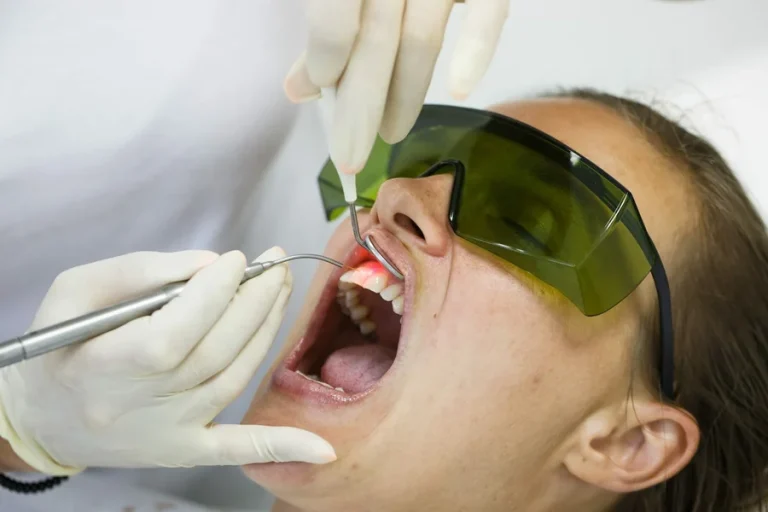
Gum disease can cause pain, bleeding, and tooth loss. You may feel embarrassed, worried, or tired of repeated treatments. Laser therapy gives your periodontist new tools to stop infection and protect your smile. In this blog, you will see how lasers change the way your gums are cleaned and healed. You will learn what happens during treatment, what you can expect afterward, and how it compares to older methods. You will also see when laser therapy helps and when it might not be right for you. If you see a periodontist in Webster, TX, you may already have heard about laser options. This guide will help you ask clear questions and make strong choices about your care. Your gums support your teeth every day. Laser therapy can help you keep that support firm, clean, and steady.
How Gum Disease Hurts Your Mouth
Gum disease starts with sticky plaque along the gumline. Bacteria in this film cause swelling and bleeding. Over time, the gums pull away from the teeth. Pockets form. Bone and tissue break down. Teeth loosen.
The Centers for Disease Control and Prevention explains that almost half of adults over 30 have some form of gum disease.
Common signs include
- Red or swollen gums
- Bleeding when you brush or floss
- Bad breath that does not go away
- Gums that look like they are shrinking
- Loose or drifting teeth
Early care can stop or slow this damage. Laser therapy is one method that supports this goal.
What Laser Therapy Does
Dental lasers use focused light to remove diseased tissue and bacteria. The tool has a thin tip that fits into the gum pocket. The light targets dark, infected tissue and germs. Healthy tissue stays in place.
During periodontal laser treatment, your periodontist may
- Guide the laser into the pocket to remove infected lining
- Disrupt bacteria and clean the root surface
- Help the blood clot seal the pocket
You stay numb during treatment. You hear beeps and feel light pressure. Many people report less swelling and less need for strong medicine after care.
Laser Therapy Compared With Traditional Methods
Traditional gum care often uses hand tools and ultrasonic tips. These remove plaque and tartar from root surfaces. In more severe disease, surgery may peel back the gums to clean deeper. Laser therapy can work alone or with these methods.
Comparison of Traditional Periodontal Treatment and Laser Therapy
| Feature | Traditional Scaling and Surgery | Laser Periodontal Therapy
|
|---|---|---|
| Main tools | Hand instruments and surgical blades | Focused light energy and thin fiber tips |
| Tissue removal | More cutting of gum tissue | Targeted removal of diseased tissue |
| Bleeding | Often more bleeding during surgery | Less bleeding for many patients |
| Swelling and soreness | Can be stronger after surgery | Often milder discomfort |
| Stitches needed | Often needed after surgery | Rarely needed |
| Time in chair | Moderate to long | Similar or shorter, depends on case |
| Healing time | Longer for surgical cases | Often quicker return to routine |
Researchers keep studying how lasers compare with other care. The National Institutes of Health share many studies on periodontal lasers.
Who May Benefit From Laser Periodontal Care
Laser therapy is not right for every person. It can help in clear situations. You may be a good match if you
- Have moderate or severe gum pockets
- Want to avoid or reduce surgical cutting
- Have health conditions that make healing slower
- Feel fear about traditional gum surgery
Your periodontist will measure pocket depths, review X rays, and talk about your health history. Then you can decide together.
What To Expect Before, During, And After
Before treatment
- You get a full exam and gum charting
- Your provider explains the steps and answers your questions
- You may need X rays and a cleaning visit first
During treatment
- You get numbing for comfort
- The laser tip moves along the pocket
- The root surface is cleaned and smoothed
- The laser helps the blood clot form and stay in place
After treatment
- Your gums may feel tender
- You may follow a soft diet for a short time
- You avoid brushing in the treated zone for a brief period
- You return for checks and cleanings
You need steady home care for the results to last. Treatment starts healing. Daily habits keep it going.
Home Care After Laser Therapy
Strong healing depends on what you do at home. Three steps matter most.
- Brush twice a day with a soft brush
- Clean between teeth with floss or interdental cleaners
- Keep regular visits for cleanings and checks
Your provider may also suggest
- An antimicrobial rinse for a short time
- Quitting tobacco use
- Blood sugar control if you have diabetes
These steps reduce the chance that harmful bacteria return to deep pockets.
Questions To Ask Your Periodontist
Before you agree to laser care, you can ask clear questions. Consider these three groups.
About your diagnosis
- How severe is my gum disease
- Which teeth and zones are affected
- What happens if I wait
About laser treatment
- Why do you recommend laser therapy for me
- What other options do I have
- How many laser cases have you treated
About recovery
- How long will healing take
- What limits will I have with food or work
- What signs mean I should call your office
Making A Care Plan That Works For You
Laser therapy in periodontal care can reduce infection, protect bone, and support teeth. It can also ease fear for many people who feel anxious about gum surgery. It is not a magic cure. You still need steady home care and routine visits.
When you understand what laser therapy does, how it compares with traditional methods, and what to expect, you can stand in a stronger position. You can protect your gums. You can hold on to your teeth. You can eat, speak, and smile with more comfort and less fear.