
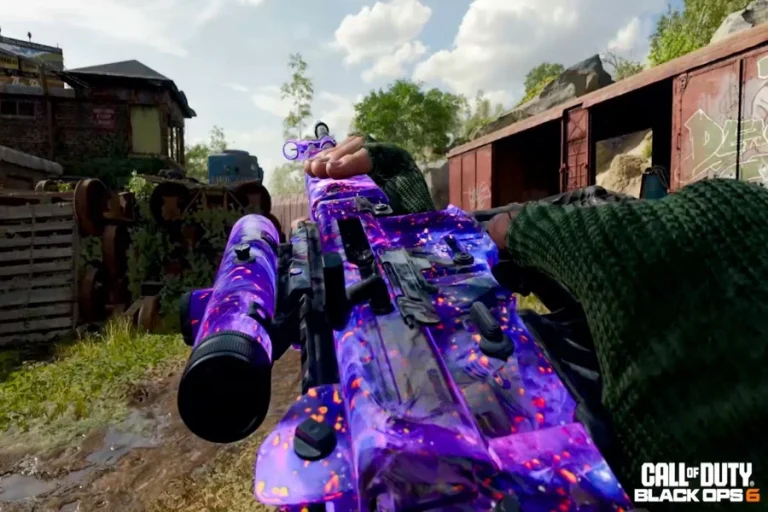
Black Ops 6 bot lobbies are private multiplayer matches populated by AI-controlled players—commonly referred to as “bots.” These lobbies are typically used by players to practice gameplay mechanics, test strategies, unlock achievements, or level up weapons and operator skins in a low-pressure environment. Unlike competitive multiplayer matches with human opponents, bot lobbies offer a predictable and controllable space for learning and experimentation.
In many Call of Duty games, bot lobbies are officially supported in custom game modes. However, when people refer to “Black Ops 6 bot lobbies” in a broader or more controversial sense, they often mean lobbies that are manipulated to simulate easier competition or allow for faster progression—sometimes involving exploits or matchmaking tricks. Understanding both the official and unofficial aspects of BO6 Bot Lobbies helps reveal how they function and why they attract attention.
The Purpose Behind Bot Lobbies
At their core, bot lobbies serve a few key purposes. First, they help new players acclimate to the game without being thrown into the chaos of public multiplayer matches. This learning curve can be steep in Call of Duty, where fast reflexes and map knowledge are crucial. Bot lobbies allow for risk-free practice.
Second, they offer experienced players a way to warm up or experiment. Want to test a new loadout or perfect your quick-scoping technique? Doing it in a bot lobby means no distractions, no judgment, and no penalties for failure. It’s a sandbox mode that removes the stakes while still simulating the core game loop.
Third, bot lobbies can be used for grinding progression—especially weapon XP and challenges. Since bots behave predictably and don’t react like real players, you can stack kills and complete objectives far more efficiently.
How Are Bot Lobbies Set Up in Black Ops 6?
In the official custom games menu of Black Ops 6, players can set up private matches and fill them with bots. You can choose maps, game modes, number of bots, difficulty level, and even bot behavior. These lobbies do not award experience points or progression towards unlocks, making them ideal for practice but not grinding.
However, the more controversial form of bot lobby refers to matchmaking manipulation. Players exploit systems—either through in-game mechanics or third-party tools—to enter multiplayer matches that feel like they’re filled with bots or highly unskilled players. This can involve matchmaking region changes, network trickery, or queueing during off-peak hours.
While Treyarch and Activision frequently patch such exploits, the demand for low-resistance lobbies has led to a cat-and-mouse game between developers and players who find creative workarounds.
Skill-Based Matchmaking and Its Role
A central mechanic that influences bot lobby behavior is skill-based matchmaking (SBMM). SBMM aims to match players with others of similar skill level, theoretically making the game fairer. However, some players feel this leads to overly competitive matches that reduce fun and variety.
To counter SBMM, players may intentionally lower their performance metrics—commonly known as “reverse boosting”—so the system matches them with easier opponents. Once their hidden MMR (matchmaking rating) drops, they can perform at full capacity and dominate matches that feel like bot lobbies. This isn’t true bot behavior, but the result is similar: easy kills, high scorestreaks, and inflated stats.
Reverse Boosting and Bot Lobby Exploits
Reverse boosting is a tactic that involves purposely playing poorly—dying repeatedly, not shooting back, or staying AFK—in order to trick the matchmaking system into lowering your skill rating. After a few of these “bad” matches, the player may find themselves matched with newer or less skilled opponents, turning the lobby into a pseudo-bot experience.
Some players go even further, using multiple accounts or VPNs to get into specific matchmaking regions where competition may be lower. These actions toe the line between creative strategy and outright cheating. Game developers usually disapprove of reverse boosting and may take disciplinary actions, but enforcement varies.
It’s important to distinguish between harmless practice lobbies with AI bots and manipulative tactics that affect multiplayer integrity. The former is a game feature. The latter is a gray area of competitive ethics.
Weapon and XP Grinding in Bot Lobbies
One of the biggest reasons players seek bot lobby setups is to speed up progression. Unlocking camos, attachments, or even entire weapons can be time-consuming in standard multiplayer. In a bot lobby, especially one with minimal resistance, grinding becomes significantly easier.
By racking up high kill counts against bots or lower-skilled players, users can finish weapon challenges that might otherwise take hours. Challenges that require headshots, multi-kills, or specific killstreaks are easier to complete when the opposition doesn’t shoot back or react intelligently.
This shortcut, while effective, can warp progression balance. Developers try to encourage long-term engagement through challenge-based systems, but bot lobby abuse can undermine that.
Are Bot Lobbies Considered Cheating?
There’s a fine line between using in-game systems as intended and exploiting them for an unfair advantage. Practicing in custom games against bots? Totally acceptable. Manipulating matchmaking, spoofing servers, or reverse boosting to dominate lobbies filled with new players? That starts to veer into unethical territory.
From a technical standpoint, many bot lobby methods don’t involve hacking or unauthorized software, but they can still violate terms of service. When progression or ranked rewards are tied to multiplayer performance, gaming the system with easy lobbies can create a skewed and unfair experience for everyone else.
Treyarch and Activision monitor suspicious behavior and occasionally issue bans, resets, or matchmaking restrictions. That said, enforcement isn’t perfect, and many players continue to operate in these gray zones.
The Psychology Behind Bot Lobby Farming
Why do players go through all this effort to create easy lobbies? The answer is simple: dopamine. Crushing a match with 100+ kills, unlocking rare camos, and seeing yourself at the top of the leaderboard feels great—even if the competition wasn’t real.
For some, it’s about speedrunning progress. For others, it’s about showing off. Social media clips of insane killstreaks or flawless games draw attention, and many viewers don’t realize the gameplay happened in a doctored or artificial lobby.
This chase for validation and rapid progression fuels the ongoing interest in bot lobbies. It’s not just about playing better—it’s about appearing better, faster.
Consequences of Bot Lobby Exploits
While bot lobbies might seem harmless on the surface, they have ripple effects on the broader game ecosystem. First, they dilute the skill curve. When players who abused easy lobbies climb leaderboards or unlock rewards, it reduces the sense of accomplishment for those who earned them legitimately.
Second, it creates pressure on casual players. If they constantly face opponents who manipulated the system, their enjoyment drops. This leads to a churn in the player base, especially among newer or less competitive users.
Third, bot lobby farming can inflate stats and distort matchmaking. As the system reacts to abnormal performance, it may place players into higher SBMM tiers or crash matchmaking logic entirely. This creates inconsistency in game balance across the board.
How Developers Respond
Game developers are aware of the bot lobby phenomenon and regularly take steps to address it. This includes patching exploits, improving SBMM algorithms, and introducing progression systems that rely more on playtime than raw stats.
They also introduce modes that cater to casual or solo players, giving them a space to improve without facing hardened veterans every match. Tools like combat records, hidden MMR tracking, and match reports help dev teams monitor suspicious behavior.
That said, developers walk a fine line. Too much restriction can hurt player freedom. Too little, and the game becomes a playground for exploiters. Balancing fair play and accessibility remains an ongoing challenge.
The Future of Bot Lobbies in Black Ops 6
As Black Ops 6 continues to evolve post-launch, expect BO6 Bot Lobbies—both official and unofficial—to remain part of the conversation. Whether you’re using them for warm-ups or trying to game the system, they represent a wider tension in multiplayer shooters between skill, progress, and accessibility.
Some players will always seek shortcuts. Others want fair fights. Bot lobbies sit right at the intersection of those mindsets, offering a tool that can be used ethically—or abused.
The future likely includes stricter safeguards, smarter bots, and more intelligent matchmaking systems. But player ingenuity often outpaces developer control. Bot lobbies may never disappear entirely, but their impact will depend on how they’re handled and why they’re used.
Final Thoughts
Black Ops 6 bot lobbies aren’t inherently good or bad—they’re a tool. Used right, they help players learn and enjoy the game at their own pace. Used wrong, they compromise fairness and inflate egos at the cost of integrity.
Whether you’re a casual player trying to improve or a hardcore grinder looking for an edge, understanding the mechanics and implications of bot lobbies is key. It’s not just about what you can do—it’s about what you should do.


