What is cable blowing
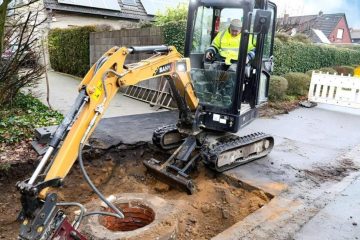
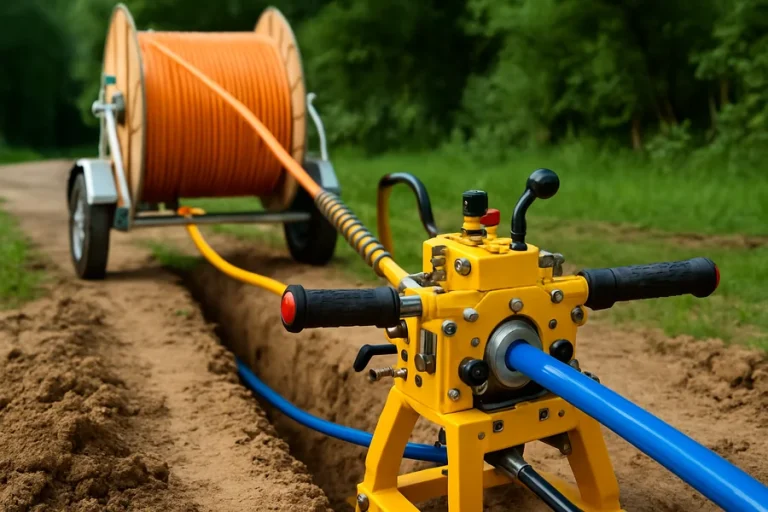
Cable blowing is a pneumatic installation technique that uses controlled air flow to propel fiber optic cables through microducts and ducts. Instead of pulling cables with tension that can stress the fiber, blowing uses bursts of compressed air or vacuum-assist systems to move the cable smoothly, reducing friction, preventing damage and allowing longer continuous installations. The method is particularly suited to microduct networks, urban deployments and long-distance backbone installs where traditional pulling would be slow or risky.
Benefits of pneumatic installation
The most significant advantages include faster deployment, reduced risk of microbending or crush damage, and the ability to install multiple cable types with minimal handling. Because cable blowing minimizes tensile loads, installers can achieve longer reach per insertion and fewer access points, lowering labor and traffic management costs. It also supports scalable rollouts: cables can be replaced or added later without extensive civil works, making it an attractive option for network operators planning phased upgrades.
Choosing the right machine
Selecting an appropriate blowing machine depends on cable diameter, duct material, installation distance and site logistics. Machines range from portable, single-operator units for short urban runs to trailer-mounted, high-capacity systems for long hauls. Key features to compare include torque-controlled feeders, variable air-flow settings, digital monitoring of speed and distance, and compatibility with different cable guides and seals. Many manufacturers publish detailed spec sheets so operators can match payload, air pressure and control options to project needs; for practical comparisons of models and accessories that support cable blowing in diverse scenarios, review those technical resources before procurement.
Operation and best practices
Proper setup and technique directly affect installation success. Pre-inspect ducts for obstructions, measure length and plan insertion points. Use appropriate lubrication when required and ensure airtight seals at insertion boxes to maintain pneumatic efficiency. During operation, monitor feed speed, cable tension and air pressure; many modern systems include real-time feedback to prevent over-pressurization or stalling. Training operators on machine controls and emergency stop procedures improves consistency and reduces the chance of costly rework.
Maintenance and safety considerations
Routine maintenance keeps blowing machines reliable: check filters, replace worn rollers and seals, inspect hoses and valves, and verify calibration of sensors. Compressors and air supply systems should be maintained according to manufacturer recommendations to ensure stable pressure and dry air. For safety, maintain clear exclusion zones around equipment, wear eye and hearing protection when working near high-pressure systems, and follow local regulations for handling compressed air. Proper logging of service intervals and on-site checks reduces downtime and extends equipment life.
Economic and project planning tips
Budgeting for a blowing project should include equipment selection, trained personnel and contingency for unexpected duct conditions. While initial equipment costs can be higher than basic pulling gear, faster installation times, reduced cable damage and lower need for jointing or additional civil work often yield a favorable return on investment. When planning multiple deployments, consider leasing options or partnering with experienced contractors to optimize utilization of high-capacity machines across projects.