
Creating video content has become part of everyday life, whether you are documenting travel, sharing daily routines, or building a personal brand online. A smartphone is often the first and most convenient tool people use to start vlogging, making it essential to choose the right one. The difference between average and engaging videos often comes down to a few key features that affect quality, stability, and usability. Understanding what matters most can save you time, money, and frustration as you begin or improve your content creation journey. In this article, we’ll break down the essential factors to consider when choosing a smartphone for vlogging and video.
Camera Quality Matters Most
Look for Multiple Lenses for Versatility
A versatile camera system allows you to capture a wide range of scenes without needing extra equipment. Smartphones with multiple lenses, such as wide, ultra-wide, and zoom options, give you the flexibility to shoot landscapes, close-ups, and dynamic angles with ease. This is especially helpful when filming in different environments, like crowded streets or small indoor spaces. Switching between lenses helps you maintain creativity without interrupting your workflow. It also allows you to experiment with storytelling by changing perspectives within the same scene. Over time, having multiple lenses will make your content feel more professional and visually engaging.
Front Camera Is Key for Selfie Videos
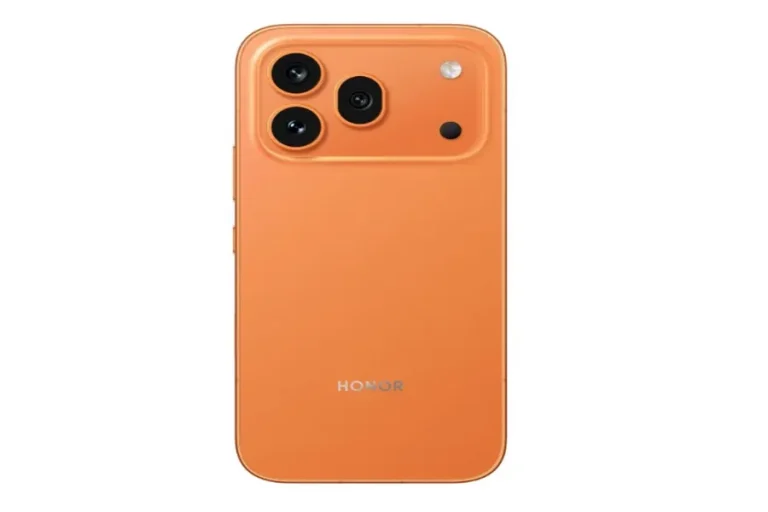
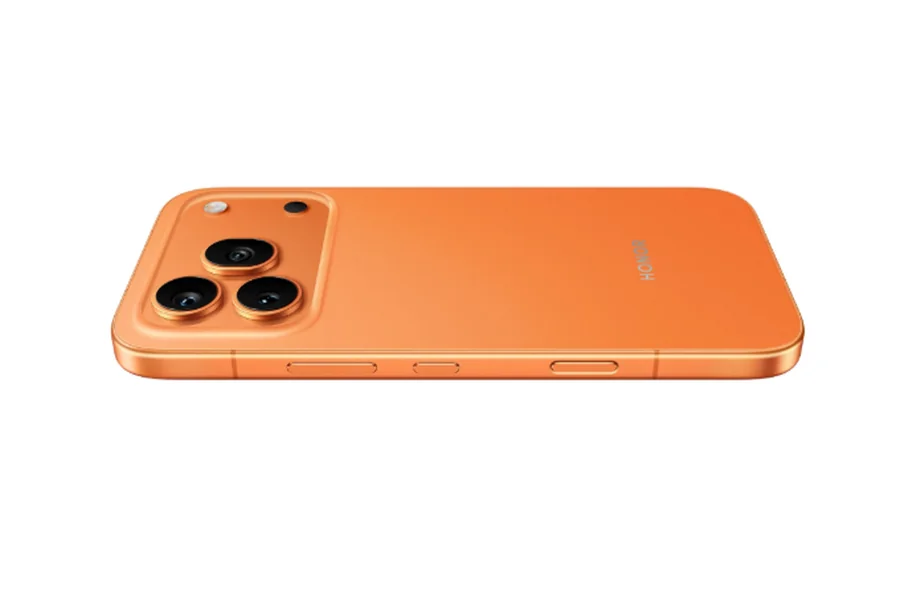
For vloggers, the front camera is just as important as the rear setup because it is used for direct-to-camera storytelling. When you are walking, talking, or reacting in real time, you need a camera that keeps your face sharp and your colors natural without constant adjustments. Many beginners notice that weak front cameras can make videos look flat or slightly out of focus, which affects viewer engagement. That is why choosing a phone with a capable selfie camera can quietly elevate your content quality. In real-life use, devices like the HONOR 600 Pro make this easier with a high-resolution portrait selfie camera and AI enhancement that preserves detail and natural skin tones, helping you look clear and confident on screen.
Stabilization Keeps Your Footage Smooth
Shaky footage can quickly make even the most interesting content difficult to watch. That is why stabilization is a critical feature when choosing a phone for video recording. Optical stabilization helps reduce physical movement, while electronic stabilization further smooths out motion digitally. Together, they create steady footage even when you are walking or filming handheld. This is especially useful for vloggers who shoot on the go and do not always have access to tripods or gimbals. With good stabilization, your videos will look more polished and enjoyable to watch.
Battery Life Determines How Long You Can Shoot
Battery life directly affects how long you can film without interruptions, especially during travel days, events, or outdoor shoots where charging is not always convenient. Running out of power mid-recording can break your rhythm and cause you to miss moments you cannot recreate. That is why experienced creators often prioritize battery performance after facing this issue firsthand. A device like the HONOR 600 Pro, equipped with a 7000mAh Long-Life Battery, offers the kind of endurance that supports extended shooting sessions throughout the day. With this level of reliability, you can focus more on capturing content and less on constantly checking your battery level.
Audio Quality Saves Time in Post-Production
Built-In Microphones Vary Across Models
Good audio quality is just as important as clear visuals, yet it is often overlooked by beginners. Built-in microphones can differ significantly between devices, affecting how clearly your voice is recorded. Background noise, wind, and distance from the phone can all impact the final sound. Choosing a smartphone with reliable audio capture reduces the need for heavy editing later. Clear audio helps your audience stay engaged and understand your message without distraction. Paying attention to this detail can greatly improve the overall quality of your videos.
Check for Compatibility with External Mics
As your vlogging skills grow, you may want to use external microphones for better sound control. Not all smartphones support external audio devices in the same way, so compatibility is an important consideration. A phone that easily connects to external mics allows you to upgrade your setup without replacing your device. This flexibility is useful for interviews, outdoor shoots, or situations with a lot of background noise. It also gives you more creative control over your content. Planning for this possibility ensures your phone can grow with your needs.
Storage and Performance Support Your Workflow
Video files can take up a lot of space, especially if you are recording in high resolution. A smartphone with sufficient storage ensures you do not have to constantly delete files or transfer them mid-project. Performance is equally important, as smooth operation allows you to edit, preview, and manage your content efficiently. Lag or slow processing can interrupt your creative flow and make the process frustrating. A reliable device should handle multitasking, editing apps, and large video files without difficulty. Investing in strong storage and performance capabilities will make your entire workflow more enjoyable.
Conclusion
Choosing the right smartphone for vlogging is about finding a balance between camera quality, stabilization, battery life, and usability. Each feature contributes to how easily you can capture and share your story. By focusing on real-life usage and practical needs, you can select a device that supports your creative goals without unnecessary complexity. As you gain experience, your preferences will become clearer, helping you refine your setup over time. Ultimately, the best phone is the one that fits naturally into your lifestyle and helps you create with confidence.