
5G technology is often associated with faster internet speeds, but its impact goes far beyond downloads and streaming. For most people, daily phone use still revolves around making calls, sending messages, and staying connected in different environments. Naturally, this raises an important question: Does 5G actually improve call quality and reliability, or is it mainly about speed? The answer depends on several factors, including network support, device capability, and real-world conditions. Understanding how these elements work together can help you set realistic expectations.
In this article, we will explore how 5G affects voice calls and connectivity in everyday situations.
How Does 5G Handle Voice Calls?
VoNR (Voice over New Radio) Delivers HD Quality
VoNR, or Voice over New Radio, is one of the key technologies that allows 5G to handle voice calls directly. Unlike older systems, it enables calls to stay on the 5G network instead of switching to previous generations. This can result in clearer audio, lower latency, and a more natural conversation experience. Voices may sound more detailed, with less compression and fewer distortions. In quiet environments, the improvement can feel subtle, but in busy settings, it becomes more noticeable. As networks continue to adopt VoNR, users can expect more consistent call quality.
Phones Still Fall Back to 4G for Calls
Despite the potential of 5G, many devices still rely on 4G networks for voice calls. This fallback ensures stability when 5G coverage is incomplete or when VoNR is not fully supported. While this transition usually happens seamlessly, it can affect call setup time and consistency. Users may not notice the switch, but it plays a crucial role in maintaining reliable communication. In practice, this means your experience depends on both 5G and existing network infrastructure. Over time, as 5G matures, this reliance on fallback will gradually decrease.
Call Quality Depends on Network Implementation
Not all 5G networks are built the same, and this directly affects call performance. Factors such as carrier infrastructure, frequency bands, and network optimization all play a role. In some areas, 5G may offer a clear advantage, while in others, the difference may be minimal. This variation explains why user experiences can differ even within the same city. It also highlights the importance of network quality, not just technology generation. A well-implemented network can make a significant difference in everyday call clarity.
Connectivity and Signal Strength
Signal strength remains one of the most important aspects of any mobile network. While 5G introduces new capabilities, it also uses a wider range of frequencies, each with different coverage characteristics. Higher-frequency bands can deliver faster speeds but may struggle with distance and obstacles. Lower-frequency bands offer better coverage but slightly lower performance. This balance affects how stable your connection feels throughout the day. Understanding this trade-off helps explain why signal strength can vary depending on location.
Call Reliability in Different Scenarios
5G Handles Crowded Areas Better Than 4G
One of the strengths of 5G is its ability to manage large numbers of connected devices. In crowded places like concerts, shopping centers, or public transport, networks can become congested. 5G is designed to handle this demand more efficiently, reducing dropped calls and improving overall reliability. This is particularly useful in urban environments where network traffic is high. Users may notice fewer interruptions during peak times. Over time, this advantage becomes more meaningful in daily life.
Seamless Handoffs Between Towers Matter
As you move through different locations, your phone constantly switches between network towers. Smooth handoffs are essential for maintaining call quality without interruptions. 5G technology improves this process, making transitions faster and more stable. This is especially important during activities like commuting or traveling. Poor handoffs can lead to dropped calls or temporary signal loss. Reliable transitions ensure a more consistent communication experience.
Indoor Penetration Varies by Frequency
Indoor connectivity can vary significantly depending on the type of 5G signal available. Higher-frequency signals often struggle to pass through walls and buildings. This can result in weaker signals or a fallback to 4G indoors. However, lower-frequency 5G bands are better at penetrating obstacles. This creates a mixed experience depending on your environment. Being aware of this helps explain why signal strength may change when you move indoors.
What You’ll Actually Notice?
Clearer Voice Quality on Supported Networks
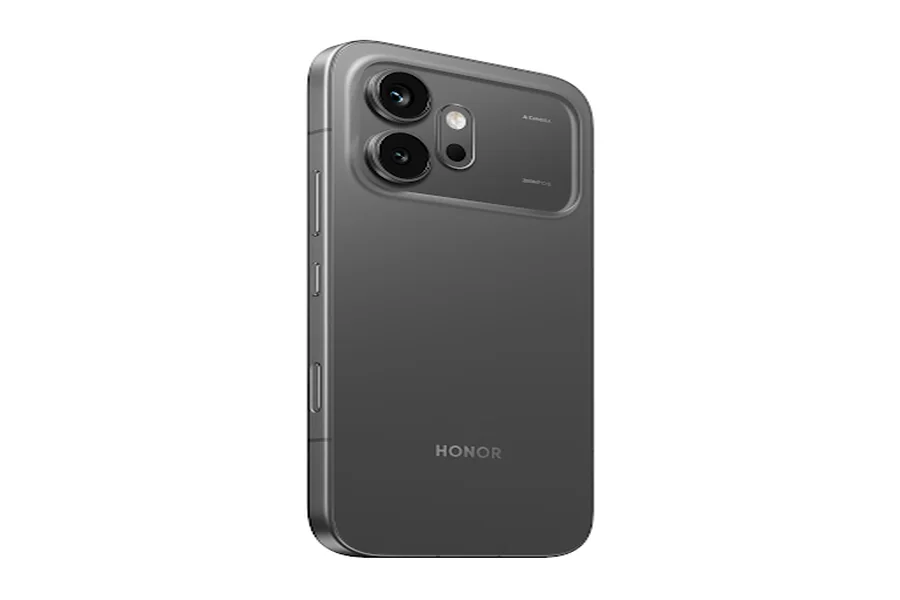
When 5G voice features are fully supported, the improvement in call clarity becomes easier to notice. Conversations can sound more natural, with clearer tones and less background distortion. This is especially helpful during long calls or important discussions where clarity matters. Devices designed to fully support modern networks tend to deliver a more consistent experience in these situations. For instance, using a well-optimized model like the HONOR 600 5G phone can make these improvements feel more natural in everyday use. With its next-generation performance platform and support for advanced connectivity, it helps maintain stable signals and clearer calls, allowing conversations to flow more smoothly without you needing to think about the technology behind it.
Faster Call Connection Times
Another noticeable benefit is faster call setup time. With 5G, calls can connect more quickly, reducing the delay between dialing and ringing. This small improvement adds convenience, especially when making frequent calls. It also contributes to a smoother overall experience. While the difference may seem minor, it becomes more apparent over time. Faster connections help communication feel more immediate and responsive.
Factors That Still Matter
Even with the advantages of 5G, several traditional factors continue to influence call quality. Network coverage, device hardware, and environmental conditions all play important roles. A strong signal is still essential for maintaining clear and stable calls. Additionally, software optimization and antenna design can affect performance. Understanding these factors helps you set realistic expectations. Technology alone cannot guarantee perfect results without proper support.
Conclusion
5G brings meaningful improvements to call quality and connectivity, but its impact depends on real-world conditions. While features like clearer audio and faster connection times enhance the experience, coverage and network implementation remain critical. As 5G continues to expand, these benefits will become more consistent and widely available. For users, the key is to focus on both network support and device capability. In the end, a balanced combination of technology and coverage ensures the best possible communication experience.