
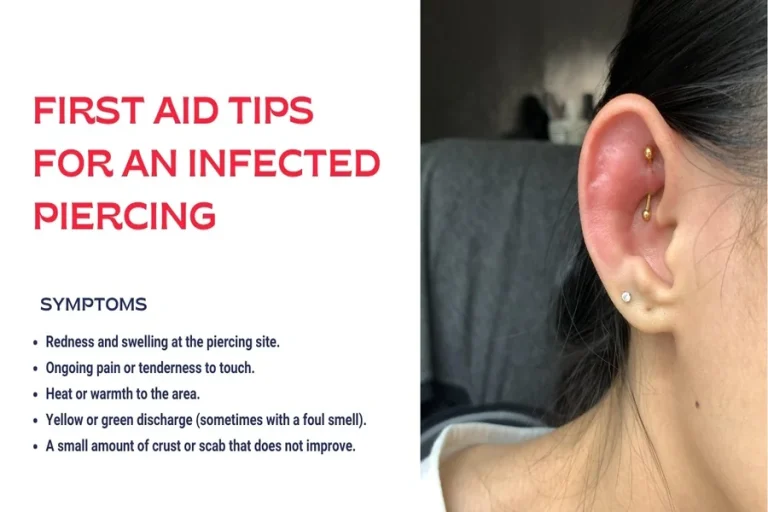
Body piercings are a prevalent way for people to express themselves. However, body piercings can also present a number of health risks if they are not looked after appropriately. One of the most common complications from body piercings is an infection. An infection happens when bacteria gain access to the area surrounding a body piercing. Knowing how to care for an infected body piercing at home and when to seek medical attention, can help prevent the infection from advancing and causing more serious complications.
Identifying the Symptoms of an Infected Piercing
Identifying an infection as early as possible is key. An infection will usually present with the following symptoms:
- Redness and swelling at the piercing site.
- Ongoing pain or tenderness to touch.
- Heat or warmth to the area.
- Yellow or green discharge (sometimes with a foul smell).
- A small amount of crust or scab that does not improve.
If you develop fever, chills, or red streaking indicating the infection is spreading beyond the skin, you may need to have your body piercing medically evaluated.
Step 1: Wash Your Hands Thoroughly
Before touching a piercing, it is important to wash your hands very well by using antibacterial soap and warm water. Bacteria live on the hands and can exacerbate the infection. Use gloves, or avoid touching the piercing unless absolutely necessary. Excessive, unnecessary movement can prolong healing; it is important to minimize movement in the decision-making process to evidently limit the distribution of the bacteria to even deeper tissue.
Step 2: Clean the Site with Saline Rinse
The safest & most effective option to clean an infected piercing would be by rinsing with sterile saline. If you wish to create your own rinse, you can by taking ¼ teaspoon of non-iodized sea salt and mixing it with 1 cup of warm distilled water. Soak a clean cotton pad in the saline rinse; place the wet cotton pad on the infected site for a few minutes. The rinse will reduce the inflammation and draw out impurities without further irritating the infected site.
Avoid alcohol, hydrogen peroxide, or any harsh antiseptic; these can destroy newly healing tissue, ultimately slowing down the healing process.
Step 3: Leave Jewelry in Place (unless told otherwise)
It is important to remove the thought that it is commonly presumed that removing piercing jewelry can resolve the infection. When jewelry from the infected site is removed, it can create a situation in which the tissue can begin to heal immediately, and as a result, also cause the wound to close with bacteria trapped inside, therefore worsening the infection. Most important, if a healthcare worker or provider does not recommend vs. direct you to dispose of the jewelry from the infected area, leave it in place and allow contaminated fluids to drain.
It is important to consult either a piercer or doctor if the jewelry feels as if it is getting tight or has become embedded in the swollen skin.
Step 4: Apply a Warm Compress
Using a warm compress can help improve blood flow to the area and facilitate the body’s natural healing process. To apply a warm compress, soak a clean washcloth in warm (not hot) water, wring it out, and drape it over the piercing for 5–10 minutes two to three times each day. This can help reduce any swelling and relieve mild pain.
Step 5: Avoid Irritants
You can minimize your exposure to irritants in order to avoid aggravating an infection. Some things to avoid include:
- Perfumed soaps or lotions
- Makeup around the area of the piercing on your face
- Tight clothing around body piercings
- Swimming in pools, lakes, or hot tubs until the healing has improved
You’ll also want to avoid twisting or rotating the jewelry, which can open up the wound again and introduce bacteria.
Step 6: Observe and Follow Up
If the infection doesn’t begin to improve after 48–72 hours of home care or if your symptoms worsen, you should see a doctor. A doctor may give you topical or oral antibiotics depending on the severity of the infection.
Anyone with underlying conditions like diabetes or immunocompromised issues should seek medical care sooner.
Preventing Future Infections
It’s better to prevent than to treat. Always choose a reputable, licensed piercer with a clean setup; they will use high-grade titanium piercing jewelry or surgical-grade stainless steel. Follow aftercare instructions carefully, and avoid touching the piercing any time you can (it’s important to keep your hands away unless absolutely necessary) to minimize the risk of infection.
In summary, infections are one of the most common complications from piercings but can more often than not be treated at home safely with proper first aid and hygiene. If continued pain, swelling, or discharge of the piercing remains, it is best to see a medical professional. Seeking medical assistance when needed allows your piercing to heal properly, as well as continue expressing your style without putting your health in jeopardy.