
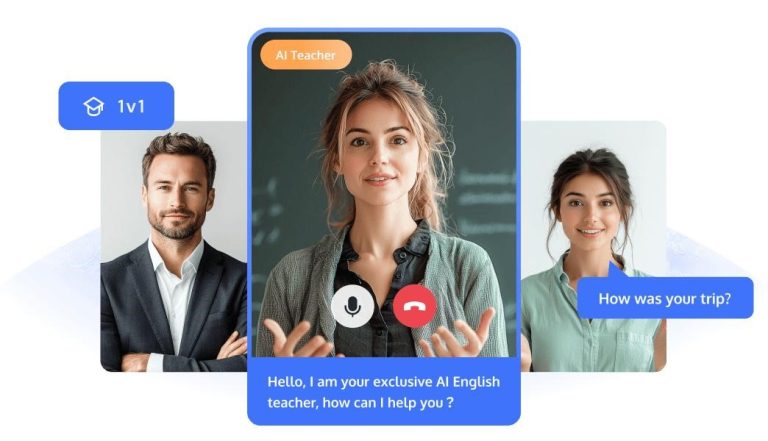
Social media is no longer static, but real-time. Conversations, reactions, and events now unfold instantly—changing how we share daily life, follow entertainment, and stay connected across distances. This instant interaction makes digital spaces feel almost face-to-face, even when users are apart. With faster connections, audiences increasingly expect immediate engagement rather than delayed responses. This article explores the technology behind real-time social features and their everyday impact.
1. Live Streaming Connects People Instantly
Broadcast and Interact with Viewers in Real Time
Live streaming has turned ordinary smartphones into portable broadcast studios that anyone can use. A home cook can share dinner preparation while answering questions from viewers at the same time. Fitness instructors stream workouts and adjust routines instantly based on audience feedback. Musicians test new songs live and adapt performances depending on reactions appearing on screen. These experiences feel dynamic because there is no long delay between recording and sharing. Real-time video delivery makes viewers feel present rather than simply watching a replay.
Platforms Reward Live Engagement with Visibility
Many social apps promote live content because it keeps users active for longer periods. Streams that generate rapid comments and reactions are often pushed to more viewers through recommendation systems. This creates a feedback loop where interactive broadcasts gain even more attention. Small creators can grow audiences quickly if they maintain lively, responsive sessions. Viewers also feel more valued when hosts acknowledge their messages immediately. Real-time engagement therefore becomes both a social benefit and a visibility strategy.
2. Stories Create Urgent, Everyday Sharing
24-Hour Content Encourages Frequent Posting
Short-lived stories have changed how people document daily routines. Because posts disappear after a day, users feel less pressure to create perfect content. A quick photo of morning coffee or a rainy commute becomes worth sharing. This casual approach leads to more frequent updates that better reflect real life. The temporary nature also creates a sense of urgency for viewers who do not want to miss moments. Real-time posting habits therefore replace carefully staged highlights with ongoing daily snapshots.
Real-Time Replies and Reactions Feel More Personal
Instant replies to stories make conversations feel spontaneous and direct. Instead of leaving public comments, viewers can send quick reactions or short voice messages privately. Some apps now use conversational ai to turn spoken replies into smooth, back-and-forth interactions, even when users are walking outdoors or in noisy spaces. Low-latency voice processing and strong noise suppression help speech stay clear without awkward delays. Smart interruption handling allows people to jump in naturally rather than waiting for rigid turn-taking. These improvements make quick story responses feel closer to chatting beside someone in real life.
3. Chat Features Make Messaging Instant
Modern chat tools provide subtle signals that make conversations feel alive. Typing indicators show when someone is preparing a reply, reducing uncertainty during pauses. Read receipts confirm that messages have been seen, which shapes how quickly people expect responses. These small real-time cues help digital conversations mimic in-person timing and rhythm. Delays become easier to interpret because users can see whether the other person is present. As a result, messaging feels less like sending emails and more like having a live discussion.

4. Feeds Update Based on Real-Time Activity
Trending Topics and Live Events Surface Faster
Social feeds increasingly highlight what is happening right now rather than what was popular yesterday. Live entertainment moments, viral clips, and breaking cultural trends appear almost instantly in recommendation sections. This immediacy encourages users to open apps more frequently to stay updated. Real-time trend detection also allows communities to gather around shared experiences as they unfold. Discussions become more energetic because participants react to the same moment simultaneously. Feeds therefore act less like archives and more like live information streams.
Notifications Alert You to Breaking Interactions
Push notifications bring real-time social activity directly to lock screens. Alerts about new comments, likes, or live broadcasts prompt quick returns to the app. This constant feedback loop keeps conversations moving without long gaps. Some platforms are beginning to use conversational AI assistants to summarize missed interactions or read notifications aloud when hands are busy. Systems built on technologies similar to Tencent RTC enable these voice interactions with fast response times, natural speech flow, and support for text, voice, and visual feedback together. This allows updates to feel like a quick spoken exchange instead of a robotic alert.
5. The Future is Always-On and Immersive
AR Filters Work Instantly During Video Calls
Augmented reality filters now operate in real time during video chats and live streams. Facial effects track expressions smoothly without noticeable delay. This allows playful transformations, virtual makeup, or themed backgrounds to respond instantly to movement. Fast processing is essential so that overlays stay aligned even when lighting changes. Real-time rendering makes these effects feel natural rather than distracting. As performance improves, AR tools are becoming standard features instead of novelty extras.
Virtual Spaces Allow Persistent Live Hangouts
Emerging social platforms are building shared virtual rooms that stay active even when users come and go. Friends can drop into a digital lounge after work just as they would visit a physical café. Voice conversations start instantly, and digital assistants can help guide activities or translate speech in real time. Smooth turn-taking and natural voice interaction make these assistants feel more like participants than tools. Support for multiple communication styles allows people to switch between speaking, typing, or using avatars without breaking the flow. Persistent virtual hangouts suggest that future social interaction may feel less like checking a feed and more like entering a living space.
Conclusion
Real-time technology has reshaped social media from a delayed publishing system into an always-active communication environment. Live video, disappearing stories, instant messaging cues, and rapidly updating feeds all encourage more frequent and more natural interaction. These tools mirror real-world conversation patterns, which makes digital exchanges feel more human and engaging. As infrastructure continues to reduce delays and improve audio and video quality, online interaction becomes smoother and more immersive. Everyday users benefit most when these advances quietly support connection without adding complexity. The ongoing evolution of real-time features suggests that social media will continue moving closer to the pace and spontaneity of real life.