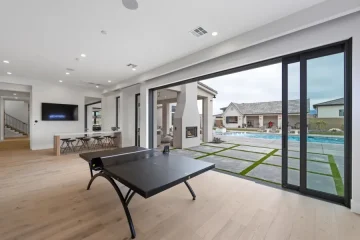
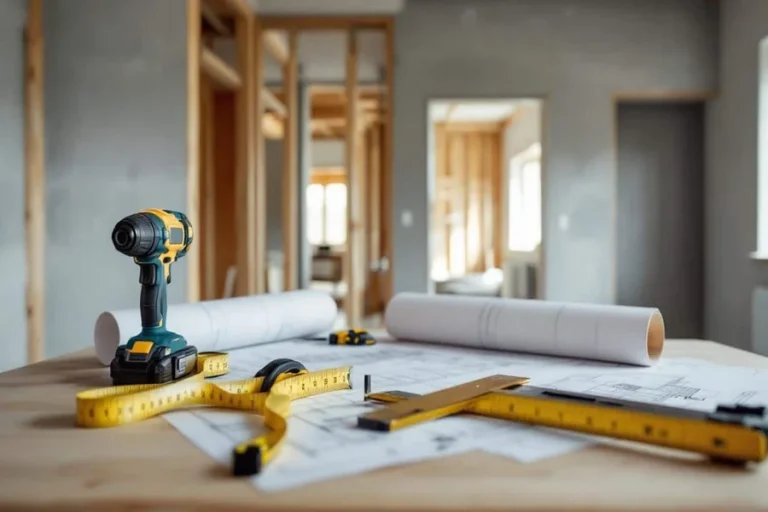
A home renovation is an exciting opportunity to transform your living space, improve functionality, and increase your property’s value. Whether you want to update an outdated kitchen, renovate your bathroom, expand your living area, or give your entire home a fresh look, proper planning is essential. Without a clear plan, renovation projects can quickly become stressful, expensive, and time-consuming.
A successful renovation requires careful budgeting, thoughtful design, reliable contractors, quality materials, and consistent project management. By following a structured approach, you can avoid common mistakes and achieve the results you want. Here is a step-by-step guide to planning a successful home renovation from start to finish.
1. Define Your Renovation Goals
Before starting any renovation work, identify exactly what you want to achieve. Think about the problems you currently experience in your home and the improvements that would make your daily life more comfortable.
For example, you may want to:
- Modernize an outdated kitchen or bathroom.
- Improve storage and maximize available space.
- Create an open-plan living and dining area.
- Upgrade flooring, lighting, and interior finishes.
- Improve energy efficiency and ventilation.
- Increase your property’s overall market value.
Make a list of essential improvements and optional upgrades. This will help you prioritize your needs and prevent unnecessary expenses. Consider your family’s lifestyle, future requirements, and long-term plans when deciding which areas to renovate.
2. Establish a Realistic Renovation Budget
Budget planning is one of the most important parts of any home renovation. Before purchasing materials or hiring professionals, determine how much you can comfortably afford to spend.
Break your budget into several categories, including:
- Design and architectural services.
- Labor and contractor fees.
- Building materials and supplies.
- Plumbing and electrical work.
- Flooring, painting, and finishing.
- Furniture, fixtures, and appliances.
- Permits, inspections, and additional expenses.
Always include a contingency fund of approximately 10–20% of your estimated budget. Unexpected problems, such as hidden water damage, outdated wiring, or structural issues, can increase renovation costs.
Request multiple estimates from contractors and compare their prices, services, and experience. Remember that the cheapest option is not always the best. Quality workmanship and reliable materials can save you money in the long run.
3. Inspect Your Home and Identify Necessary Repairs
Before finalizing your renovation design, carefully inspect your property. Look beyond cosmetic improvements and identify any underlying issues that need attention.
Check the condition of:
- Roofs, ceilings, and walls.
- Plumbing systems and water supply.
- Electrical wiring and outlets.
- Windows, doors, and ventilation.
- Flooring and structural foundations.
- Drainage and moisture-prone areas.
Addressing these problems before installing new finishes is essential. For example, painting a wall without fixing a moisture problem may lead to peeling paint and mold growth later.
For major structural, electrical, or plumbing concerns, consult qualified professionals. A thorough inspection helps you understand the actual condition of your home and plan the renovation more accurately.
4. Create a Practical Design and Layout
Once you understand your renovation goals and the property’s condition, start developing a design plan.
Consider how each room will be used and how people move through the space. A beautiful design should also be comfortable, functional, and easy to maintain.
Pay attention to:
- Furniture placement and room dimensions.
- Natural lighting and artificial lighting.
- Color combinations and interior finishes.
- Storage solutions and built-in cabinets.
- Ventilation and temperature control.
- Accessibility and everyday convenience.
You can collect inspiration from home design magazines, websites, and renovation projects. Creating a mood board with your preferred colors, materials, and styles can help communicate your vision to designers and contractors.
If your renovation involves changing walls, structural elements, or major utility systems, obtain professional drawings and ensure the proposed work complies with local building regulations.
5. Hire Reliable Contractors and Professionals
Choosing the right renovation team can make a significant difference to the outcome of your project.
Depending on the project’s complexity, you may need an architect, interior designer, general contractor, electrician, plumber, carpenter, or painter.
Before hiring anyone, consider these factors:
Experience: Look for professionals who have completed similar renovation projects.
References: Ask for previous client feedback and examples of completed work.
Written Estimates: Request detailed quotations covering labor, materials, timelines, and other costs.
Communication: Choose professionals who understand your requirements and communicate clearly.
Agreements: Use a written contract that explains the project scope, payment schedule, responsibilities, deadlines, and warranty arrangements.
Avoid making large upfront payments without proper documentation. Clear agreements help prevent misunderstandings and protect both parties throughout the renovation process.
6. Choose Quality Materials and Finishes
The materials you select will affect your home’s appearance, durability, maintenance requirements, and overall renovation cost.
Compare different options before making purchasing decisions. For flooring, consider durability, moisture resistance, cleaning requirements, and comfort. For kitchen countertops, evaluate strength, maintenance, and appearance. For paint, choose suitable products based on the room’s conditions.
Some important considerations include:
- Select moisture-resistant materials for bathrooms and kitchens.
- Choose durable flooring for high-traffic areas.
- Invest in quality plumbing and electrical components.
- Use suitable paints for interior and exterior surfaces.
- Consider energy-efficient lighting and appliances.
- Check product warranties and installation requirements.
You do not need to choose the most expensive materials to achieve an attractive result. Focus on finding the right balance between quality, functionality, appearance, and affordability.
7. Develop a Realistic Renovation Timeline
A detailed schedule helps keep your renovation organized and reduces unnecessary delays.
Most renovation projects involve several stages, and completing them in the correct order is important.
A typical renovation sequence includes:
- Initial inspection and planning.
- Design development and approvals.
- Material purchasing and site preparation.
- Demolition and removal of old fixtures.
- Structural repairs and construction.
- Plumbing and electrical installations.
- Wall preparation, plastering, and flooring.
- Painting and finishing work.
- Cabinet, fixture, and appliance installation.
- Final cleaning and inspection.
Discuss the expected completion date with your contractor and establish milestones for each stage.
Remember that material shortages, weather conditions, unexpected repairs, and contractor availability can affect the schedule. Build some flexibility into your timeline rather than expecting everything to happen perfectly.
8. Prepare Your Home Before Construction Begins
Proper preparation can make renovation work safer and more manageable.
Remove valuable belongings, furniture, decorations, and personal items from the construction area. Cover any furniture or surfaces that cannot be moved to protect them from dust and damage.
If you are renovating several rooms, consider whether you can comfortably remain in your home during construction. For major renovations involving kitchens, bathrooms, or essential utilities, temporary accommodation may be necessary.
You should also:
- Arrange safe storage for construction materials.
- Identify a designated waste disposal area.
- Protect floors and surfaces that will remain unchanged.
- Keep children and pets away from construction zones.
- Inform neighbors about potentially noisy work.
- Confirm access arrangements with contractors.
Taking these precautions helps create a safer and more organized working environment.
9. Monitor Progress and Maintain Communication
Once construction begins, stay involved in the renovation process. Regular communication with your contractor helps ensure that the work follows the agreed design, budget, and timeline.
Visit the site regularly and review completed work. Check measurements, material quality, installation details, and finishing standards.
If you notice an issue, discuss it immediately rather than waiting until the project is nearly complete. Keep records of payments, receipts, design changes, and important conversations.
Avoid making frequent design changes during construction because they can increase costs and delay completion. If changes are necessary, request a revised estimate and timeline before approving the additional work.
10. Complete a Final Inspection Before Handover
When construction is finished, do not rush into the final payment or project handover. Take time to inspect every renovated area carefully.
Check that:
- Doors and windows open and close properly.
- Electrical switches, outlets, and lighting work correctly.
- Plumbing fixtures operate without leaks.
- Floors, walls, and ceilings have clean finishes.
- Cabinets, drawers, and built-in furniture function properly.
- Paintwork and other finishes meet expectations.
- Construction waste has been removed.
Prepare a checklist of incomplete or defective work and ask the contractor to correct these issues before final acceptance.
Collect relevant warranties, product manuals, receipts, and maintenance instructions. Keep these documents in a safe place for future reference.
11. Maintain Your Newly Renovated Home
A successful renovation does not end when construction is complete. Regular maintenance helps protect your investment and keeps your home looking beautiful.
Clean surfaces according to manufacturer recommendations, inspect plumbing for leaks, maintain ventilation systems, and address minor repairs promptly.
Schedule periodic inspections of roofs, drainage systems, electrical components, and other essential areas. Taking care of your home prevents small problems from developing into expensive repairs.
Conclusion
Planning a successful home renovation from start to finish requires organization, patience, and informed decision-making. From defining your goals and setting a realistic budget to choosing reliable contractors and completing final inspections, every stage plays an important role in achieving the desired results.
The key is to plan carefully, prioritize quality, communicate effectively, and remain flexible when unexpected challenges arise. By following these steps, you can transform your existing property into a more comfortable, functional, and attractive living space while keeping your renovation project under control.
A well-planned renovation is more than just an improvement to your home. It is an investment in your comfort, lifestyle, and long-term property value.