As winter sets in, the roads can become treacherous with snow, ice, and unpredictable weather. Whether you’re commuting to work, heading out on a road trip, or just running errands, driving in winter conditions requires extra care and preparation. Navigating snowy and icy roads doesn’t have to be daunting if you’re well-prepared and aware of the risks. This guide will provide essential tips for surviving winter roads and staying safe behind the wheel.
1. Winterize Your Vehicle
Before the first snowfall, take the time to prepare your vehicle for winter driving. A well-maintained car is less likely to break down or face problems in extreme temperatures. Here are some essential vehicle maintenance tasks:
Tires:
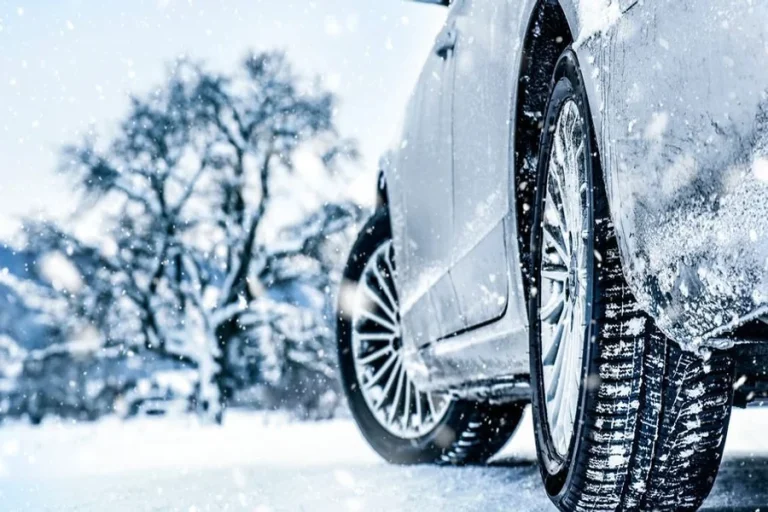
Winter tires are designed to handle cold temperatures, snow, and ice, offering better grip than regular tires. If you live in an area that experiences harsh winters, investing in a set of winter tires is highly recommended. If you’re using all-season tires, ensure they are properly inflated and have enough tread to provide traction.
Battery:
Cold temperatures can drain your car’s battery, so have it tested to ensure it’s in good condition. If your battery is old or weak, replace it before the winter weather hits.
Fluids:
Check your car’s fluids, especially antifreeze and windshield washer fluid. Antifreeze will prevent your engine from freezing, while windshield washer fluid is essential for clearing ice and snow from your windshield.
Wipers:
Snow and ice can obstruct your vision, so it’s important to have functional wipers. Replace worn-out wiper blades and use winter-grade windshield washer fluid to avoid freezing.
Brakes and Lights:
Check that your brakes are working efficiently, as icy roads can extend stopping distances. Also, ensure your headlights and taillights are functioning properly so you can see and be seen in low-visibility conditions.
2. Adjust Your Driving Habits
Driving on winter roads requires a shift in how you approach the act of driving. Here are some critical adjustments to make:
Slow Down:
Snow and ice reduce tire traction, making it harder to stop or control your vehicle. Driving at a slower speed allows you to react faster in case of sudden obstacles or changes in road conditions. Always follow posted speed limits, but be prepared to reduce your speed further if the road is slippery.
Increase Following Distance:
In winter conditions, your vehicle takes longer to stop. Maintain a larger following distance—at least 8-10 seconds behind the car in front of you. This gives you extra time to react if the car ahead of you suddenly stops or slides.
Smooth Inputs:
Sudden movements, such as slamming on the brakes or turning the wheel too quickly, can cause your car to skid. Instead, make smooth and gradual changes to your speed and direction. This helps prevent losing control on slick surfaces.
Avoid Cruise Control:
While cruise control can be convenient in clear conditions, it’s dangerous on icy or snowy roads. It can cause your tires to spin when traction is lost, increasing the likelihood of a skid.
3. Know How to Handle Skidding
Even the most careful drivers can experience skidding on winter roads. Knowing how to react can help you regain control of your vehicle and avoid an accident:
Front-Wheel Skid:
If your front tires lose traction (i.e., you’re unable to steer), ease off the accelerator and gently steer in the direction you want the car to go. Avoid slamming on the brakes.
Rear-Wheel Skid:
If your rear tires slide (the back end of your car feels like it’s fishtailing), take your foot off the gas and steer into the skid (turn in the direction the rear of the car is sliding). Once the vehicle straightens out, gently apply the gas again.
ABS (Anti-lock Braking System):
If your car has ABS, avoid pumping the brakes when stopping on slick surfaces. Instead, press firmly and continuously on the brake pedal to prevent your wheels from locking up.
4. Stay Informed and Be Prepared
Winter weather can be unpredictable, so it’s important to stay informed about road conditions and forecasts:
Check Weather Reports:
Before heading out, check the weather and road conditions. If a snowstorm or blizzard is forecasted, consider postponing your trip or staying off the roads entirely. If you must drive, plan your route and make sure to carry an emergency kit.
Emergency Kit:
In case you get stranded, it’s essential to have an emergency kit in your vehicle. Some key items to include are blankets, a flashlight, extra batteries, non-perishable food, water, a first-aid kit, a shovel, jumper cables, and sand or salt for traction.
Emergency Numbers:
Keep a list of emergency contact numbers in your phone or glove compartment, including roadside assistance services and local authorities.
5. Be Mindful of Other Drivers
Winter driving isn’t just about how you drive—it’s about being aware of other drivers on the road as well. Keep these tips in mind:
Stay Clear of Snowplows:
Snowplows are essential for clearing the roads, but they can be dangerous to follow. Maintain a safe distance and avoid passing them unless absolutely necessary. Their large size can block your view, and they often spread salt and sand on the road that can affect your traction.
Be Aware of Black Ice:
Black ice is difficult to see, as it’s a thin layer of ice that often blends in with the road surface. It typically forms on bridges, overpasses, and shaded areas. Always be cautious in these areas, even if the road looks clear.
Watch for Pedestrians:
Winter weather can make sidewalks slippery, so watch out for pedestrians who may be walking more slowly or unsteadily due to icy conditions.
6. Know When to Stay Home
Finally, don’t underestimate the power of winter weather. If conditions are too severe, consider staying home. No appointment or errand is worth risking your safety. When in doubt, err on the side of caution and avoid the roads if you feel they are unsafe.
By adhering to these guidelines, you’ll be better prepared to tackle winter driving and stay safe on the road. Effective preparation, patience, and vigilance are essential for navigating the colder months without mishaps. Always prioritize safety and remember: the key to managing winter roads is to drive cautiously and acknowledge the challenges this season brings. If you’re involved in an accident, consider reaching out to an experienced auto accident lawyer in Utah to help you navigate the legal complexities.