
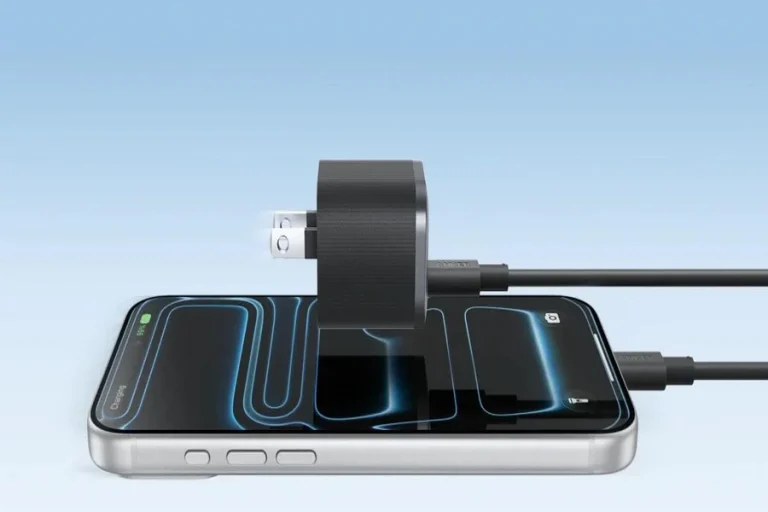
Buying a new iPhone is usually exciting, but discovering there’s no charger inside the box can feel inconvenient or even frustrating. Many people open the packaging expecting everything they need to get started, only to realize they must rely on existing accessories or purchase new ones. This shift affects everyday routines more than you might expect, especially if you share chargers at home or switch between devices throughout the day. Yet once you understand the logic behind this change and know exactly what steps to take, the process becomes surprisingly manageable.
The Official Reason: Apple’s Environmental Push
Cutting Carbon Footprint and E-Waste
Apple’s explanation focuses heavily on sustainability, and whether you agree with it or not, the argument touches on a very real global issue: electronic waste. Millions of unused chargers end up in drawers or landfills because most people already have multiple adapters scattered around their homes. By removing chargers from the box, Apple reduces the number of newly manufactured adapters, which in turn lowers emissions associated with production. This is particularly impactful when you consider the scale—tens of millions of iPhones shipped worldwide each year. The company estimates that even small accessory reductions can help cut down global energy usage over time. Through this lens, the decision becomes less about inconvenience and more about a long-term environmental strategy.
Reducing Box Size and Shipping Emissions
Another part of Apple’s justification involves logistics. Smaller boxes allow more units per shipment, reducing flights, shipping containers, and trucks on the road. This lowers fuel consumption and the overall carbon footprint of global distribution. By leaving chargers for those who truly need them, the company aims to prevent unnecessary waste. While the change may initially surprise buyers, understanding the environmental reasoning makes it feel intentional rather than just cost-cutting.
What to Do First: Check Your Own Supplies
Before buying anything new, take a moment to check what you already own—you may be better equipped than you think. Many households now have USB-C wall adapters from tablets, laptops, or previous phones. If the adapter supports at least 20W, it will work smoothly with the latest iPhones, including models like the iPhone 17, and deliver fast charging speeds. In fact, if you’re wondering what chargers do iphone 17 use, the answer is just that: any USB-C adapter rated 20W or higher. Look at the small printed label on the adapter to confirm the wattage; you might be surprised to find compatible accessories you forgot you had. This quick check can save you both money and an unnecessary trip to the store. It also helps reduce clutter, aligning with Apple’s sustainability goals.
Your Shopping Guide: Buying the Right Gear
How to Pick a Safe and Reliable Charger
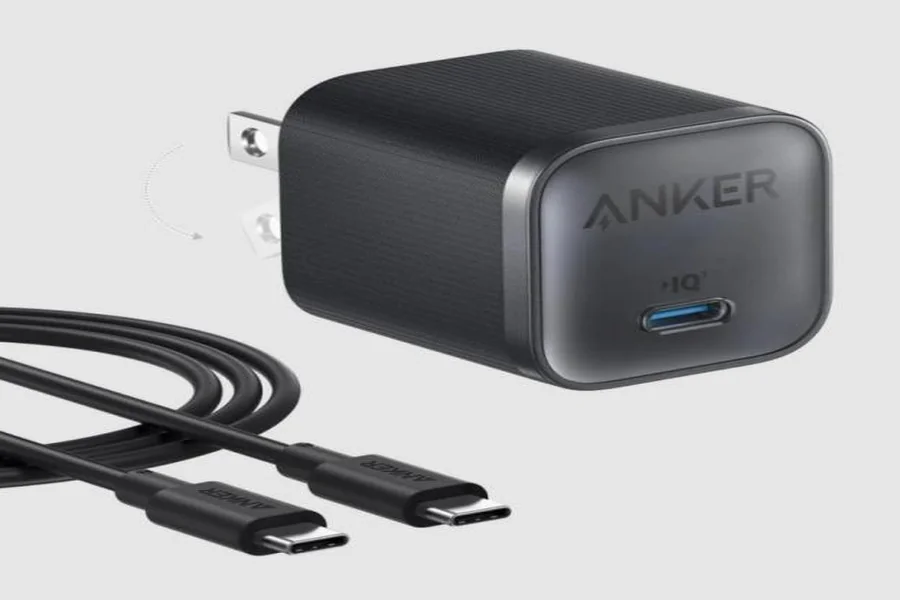
If you discover that you truly need to buy a new charger, prioritize safety and reliability rather than just the lowest price. Look for adapters that meet recognized safety standards and include built-in protection against overheating or voltage spikes. A reputable option like an Anker USB-C charger can provide consistent performance while keeping your device protected, and many users appreciate its durability for everyday use. Lots of budget adapters cut corners in ways that may not be visible at first but can shorten your phone’s lifespan over time. Paying a little more for a well-designed accessory usually results in better long-term value. Also consider the charging speed you want; a higher-wattage adapter supports faster top-ups without harming the battery.
Choosing Between Apple and Third-Party Cables
Selecting a cable might seem simple, but small details make a big difference in everyday usage. Apple’s own USB-C to Lightning cable tends to offer reliable performance, but certified third-party cables can work just as well if they meet official standards. Look for labels indicating certification and avoid cables that feel flimsy or have loose connector ends. A good cable reduces the chance of interruptions during charging, which can otherwise strain your battery. It also ensures smooth data transfers between your phone and other devices. If you move between work, home, and travel environments, having an extra certified cable can save you from unnecessary inconvenience.
Smart Charging Practices to Start Today
Set Up Your First Charge Correctly
Your first few charging cycles with a new phone help establish healthy battery habits. Start by plugging into a stable and certified adapter rather than an unknown power source like a public USB port. Allow the phone to reach a comfortable charge rather than topping off constantly during setup. Background updates usually run during the first day, so a steady charging session keeps your device powered without sudden drops. If you’re transferring data from an older phone, charging while doing so helps avoid unnecessary battery stress. These simple steps reduce heat buildup, which plays a significant role in long-term battery health.
Daily Habits to Keep Your Battery Healthy
Maintaining battery health doesn’t require complicated routines—just small, consistent habits. Try to avoid letting your phone overheat, especially while charging in direct sunlight or inside a car. Keeping your charge level between roughly 20% and 80% on a daily basis helps slow down chemical aging. Overnight charging is still fine as long as you use a safe adapter and cable, since modern iPhones optimize charging automatically. Cleaning the charging port occasionally prevents dust buildup that can interrupt power flow. With these everyday practices, your device will stay reliable for much longer.
Conclusion
Apple’s decision to remove chargers from iPhone boxes may feel inconvenient at first, but with the right understanding and a few practical steps, adapting becomes straightforward. By checking what you already own, choosing reliable accessories when needed, and following smart charging habits, you can maintain your phone’s performance without stress. The shift encourages more conscious purchasing, reduces clutter, and supports long-term sustainability. With a little preparation, you can take full control of your charging setup and keep your iPhone powered confidently every day, a tip often recommended by tech experts at nebulic.