
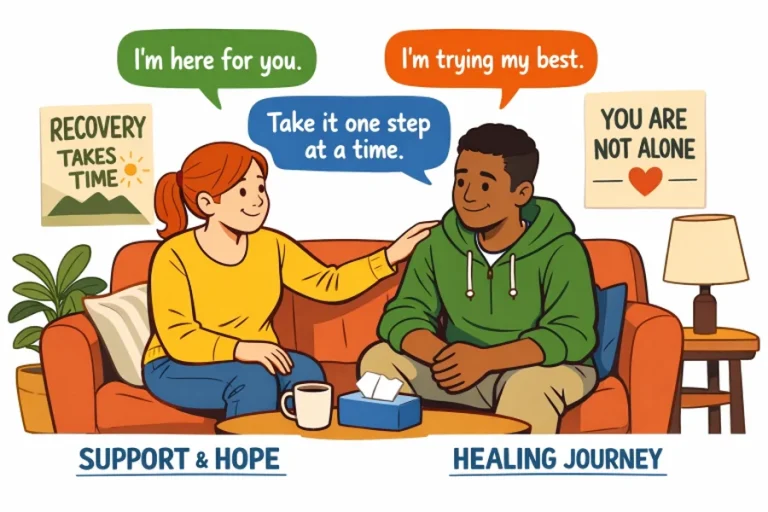
Peer support plays a central role in residential mental health treatment by connecting individuals with others who share similar lived experiences. In structured therapeutic environments, these relationships help reduce isolation and create a sense of belonging that is often difficult to find during early recovery. Hearing from peers who have faced similar challenges can encourage openness, strengthen motivation, and reinforce the belief that recovery is possible, while also offering practical coping insights that complement professional guidance.
In many residential programs, peer support is woven into daily routines through group discussions, shared activities, and informal interactions. Settings such as Inpatient Rehab in Lawrenceville, GA, illustrate how structured environments can encourage community-based healing alongside individual therapy and medical care. These connections help individuals practice communication skills, build trust, and develop accountability in a supportive setting. When combined with clinical treatment, peer support contributes to a more holistic recovery experience that addresses emotional and social dimensions of mental health.
Understanding Peer Support in Mental Health
Peer support draws on the lived experiences of individuals who have personally faced mental health challenges. This approach emphasizes authenticity, shared understanding, and compassion, distinguishing it from purely clinical relationships. Peer supporters act as relatable guides, offering encouragement and practical strategies for managing everyday difficulties, helping individuals recognize that recovery is both realistic and achievable.
This shared connection fosters a supportive environment where individuals feel more comfortable expressing themselves. As trust develops, residents are more likely to engage openly in therapeutic discussions and reflect honestly on their experiences. This openness strengthens participation in treatment and supports steady progress in mental health recovery by reinforcing connection, accountability, and engagement in the healing process.
The Role of Peer Support in Residential Settings
Residential programs, by nature, bring together people at various stages of their mental health recovery. Integrating peer supporters into these environments fosters inclusivity and a sense of belonging. Unlike clinicians, peer supporters offer firsthand insight into coping strategies, setbacks, and triumphs, making advice more credible and accessible.
Peer supporters act as a bridge between staff and residents, encouraging open exchange of experiences and ideas. This can help break down barriers caused by stigma, creating an environment where residents feel safe to express vulnerability and seek assistance without fear of judgment.
Benefits of Integrating Peer Support
- Reduced Isolation:Shared experience assures residents that they are not alone in their struggles, easing feelings of loneliness.
- Increased Engagement:Individuals are often more motivated to engage in therapy when peers who have walked similar paths encourage them.
- Enhanced Hope:Witnessing the growth and progress of peer supporters provides tangible proof that recovery and stability are achievable.
Peer support also fosters accountability, encourages residents to take an active role in their care, and promotes self-advocacy. These effects combined help individuals transition through treatment with greater resilience and confidence.
Evidence Supporting Peer Support Effectiveness
There is a growing body of research supporting the effectiveness of peer support in mental health recovery. For example, studies have linked peer support engagement to reduced readmission rates, fewer days spent in inpatient care, and greater participation in outpatient programs. People who form connections through peer support also report improved self-management of their condition and a stronger sense of belonging.
Implementing Peer Support in Residential Programs
- Recruit and Train Peer Supporters:Facilities should identify candidates with lived experience and provide training on communication, boundary-setting, and peer mentoring strategies.
- Facilitate Peer-Led Groups:Organize peer-led group sessions to allow residents to share, learn, and challenge one another in a safe setting.
- Encourage One-on-One Mentorship:Permitting personalized guidance ensures that residents receive attention tailored to their specific challenges and needs.
Successful implementation requires not only recruiting individuals with valuable experiences but also equipping them to support others effectively and ethically. Ongoing supervision and professional development are keys to sustaining high-quality peer support programs.
Challenges and Considerations
- Maintaining Professional Boundaries:It’s vital for peer supporters and residents to respect healthy boundaries, balancing empathy with professionalism.
- Continuous Training:Ongoing education ensures that peer supporters stay informed about best practices, new research, and potential triggers.
- Supervision and Emotional Support:Regular support and guidance prevent burnout among peer supporters, maintaining their wellbeing and the integrity of the program.
Facilities should also thoughtfully match supporters and residents and be responsive to the individual needs and cultural backgrounds of those they serve.
Conclusion
Including peer support in residential mental health treatment creates a richer, more comprehensive healing experience. By grounding recovery in shared understanding and lived wisdom, peer support fosters trust, encourages engagement, and delivers hope where it is most needed. For individuals considering options such as inpatient treatment, knowing that peer support is available can make a powerful difference in a program’s appeal and success. With the right framework and thoughtful implementation, peer support transforms residential mental health care into a more compassionate, effective pathway to lasting wellness.