
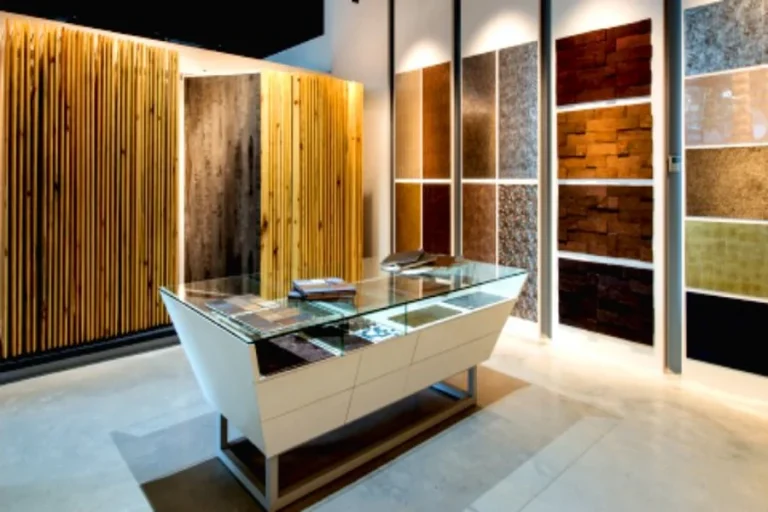
Contemporary interior design is ever-evolving, as it seamlessly combines functionality and art. Decorative laminate is one of the materials in which the transformation has steadily increased.
Laminates were initially regarded as a practical material for covering furniture and walls, but nowadays, they offer unlimited design opportunities that compete with natural materials in terms of appearance and tactile feel. To the homeowner, architects and designers, the decorative laminate designs have proved to be the option of choice in the creation of a stylish, long-lasting, and cost-effective interior that is reminiscent of the modernist look and feel.
The Flexibility of Decorative Laminates
Decorative laminates can simulate wood, stone, metal, or even cloth, allowing designers the freedom to create themes as they desire, without limitations of cost or supply. Woodgrain laminates are used to create cozy living rooms and bedrooms, while marble-like designs are employed to make kitchens and bathrooms elegant.
With their clean and ultra-modern appearance, the metallic laminates would be an excellent fit for offices and all types of commercial areas that wish to convey a high-end office aesthetic. Laminates can be used in a versatile way due to the possibility of alternating between subtle and bold designs.
Trends of Color and Texture in Contemporary Spaces
The design of present-day decorative laminate is influenced by broader design trends. Beige, gray, and ivory are the soft neutrals most commonly adopted in minimalist spaces, offering a warm, uninterrupted atmosphere.
For those who wish to make a bolder statement, glossy laminates in bright colors like emerald green, deep blue, or burgundy can provide an effective look for feature walls or cabinets. Textured laminates are also becoming popular, providing a tactile feel that is visually attractive. These laminates can be used to create interiors with a wood-like texture or embossed design, giving them a multi-layered look.
Practical Advantages Over Looks
Style is also crucial, but modern interiors also require functionality. Decorative laminates are particularly useful in this regard, as they are both visually appealing and durable.
They withstand scratches, stains, and moisture better than most natural materials, and are also suitable for high-traffic zones such as kitchens or office environments. It is easy to maintain, allowing most surfaces to be cleaned with a wet cloth; thus, the surface remains new over time. Laminates also offer a compromise, providing the appearance of high-end materials at a fraction of the cost, which allows low-end customers to create the design of their dreams at reasonable prices.
Innovative Uses of Interiors
Decorative laminates are used much more extensively than just on the tabletop and cabinet. They are creatively used in modern design in art on wall panels, wardrobes, doors, and ceilings, as well as in the decor of furniture.
Designers often combine various laminate finishes in a single space, such as pairing a matte woodgrain wardrobe with a glossy laminate headboard, to provide contrast and texture. Laminates have been applied in offices to create vibrant work areas, featuring bursts of color and texture, and used in residential areas to add warmth and personality without compromising functionality.
A Glamorous Future with Laminates
With design textures still evolving, decorative laminates are likely to continue leading the pack in current interiors. Their flexibility to trends and innovativeness in manufacturing imply that new colors, textures, and finishes will continue to be introduced to the market.
Laminates offer a palette for endless creativity, whether one wants simple elegance, a statement, or a blend of the old and the new. They are one of the most fashionable and efficient surface solutions to modern interiors, as they provide both beauty and strength.


