
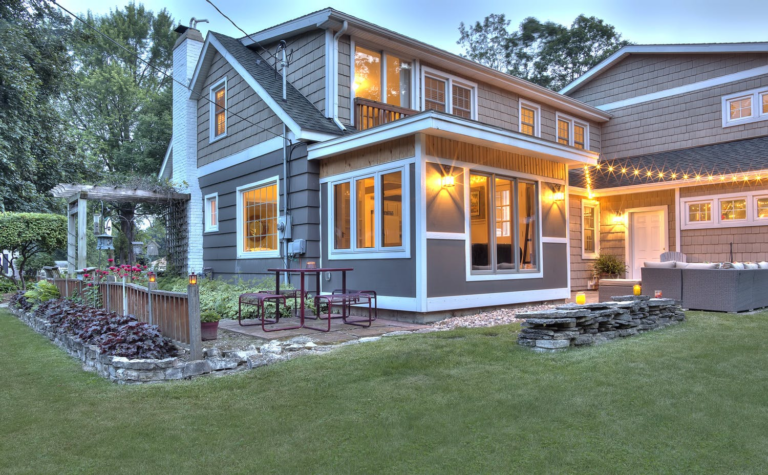
Home renovation is an exciting opportunity to improve comfort, functionality, and the overall value of a property. Whether the goal is updating outdated interiors or improving space efficiency, proper planning is essential for achieving the desired results. Many homeowners seek guidance from the best renovation company in Dubai to ensure that every stage of the project is carefully managed and aligned with long-term living needs. A successful renovation requires clear objectives, organized budgeting, and strategic decision-making from the beginning.
Careful preparation helps reduce delays, control costs, and ensure that the final outcome reflects both practical requirements and design preferences.
Defining Renovation Goals and Priorities
Every successful renovation begins with a clear understanding of the desired outcome. Establishing goals helps guide design decisions and ensures resources are allocated effectively.
Homeowners should identify which areas require improvement and determine whether the focus is on aesthetics, functionality, or both. Prioritizing renovation objectives helps create a structured plan that supports efficient project execution.
Creating a detailed list of requirements also helps avoid unnecessary modifications during the renovation process. This allows for smoother communication between homeowners and renovation professionals.
Establishing a Realistic Budget
Budget planning is one of the most important stages of any renovation project. A well-defined budget provides clarity and helps maintain financial control throughout the process.
Costs should be categorized into design, materials, labor, permits, and contingency expenses. Setting aside a reserve budget helps manage unexpected requirements that may arise during construction.
Researching materials and comparing options can also help maximize value without compromising quality. Careful budgeting ensures the renovation remains practical and achievable.
Planning the Design and Layout
A thoughtful design strategy creates the foundation for a successful renovation. Effective layouts improve both functionality and visual appeal while supporting long-term usability.
- Evaluating Existing Spaces
Understanding the strengths and limitations of the current layout helps identify opportunities for improvement. This assessment guides design decisions and supports efficient space utilization.
- Improving Functional Flow
Spaces should be arranged to support comfortable movement and daily activities. Functional layouts help create a more organized and practical living environment.
- Selecting Appropriate Design Styles
Choosing a consistent design theme helps maintain visual harmony throughout the home. Coordinated colors, materials, and finishes contribute to a balanced appearance.
- Incorporating Future Needs
Renovation plans should consider future lifestyle requirements. Flexible designs support long-term usability and reduce the need for additional modifications later.
- Balancing Aesthetics and Functionality
A successful renovation combines visual appeal with practical solutions. Every design choice should contribute to both comfort and efficiency.
Projects involving villa design in Dubai often demonstrate how thoughtful planning can blend elegance with functionality while creating highly livable residential spaces.
Choosing the Right Professionals
The quality of a renovation project depends heavily on the expertise of the professionals involved. Selecting experienced specialists helps ensure smooth project execution and reliable results.
Working with the best renovation company in Dubai allows homeowners to benefit from professional planning, technical expertise, and effective project management. Experienced teams help identify potential challenges before they become costly issues.
Clear communication between homeowners and contractors also plays an important role in maintaining project alignment and achieving desired outcomes.
Managing Construction and Execution
Effective project management ensures that renovation activities remain organized and on schedule. Monitoring progress helps maintain quality and minimize disruptions.
Key Focus Areas
- Maintain regular communication with contractors and project managers to stay informed about progress and important decisions.
- Conduct routine inspections to ensure construction work aligns with approved plans and quality expectations.
- Monitor timelines carefully to identify delays early and implement corrective measures when necessary.
- Review material selections and installation processes to ensure consistency and durability throughout the project.
Proper oversight during construction helps maintain efficiency while ensuring that renovation goals are achieved successfully.
Selecting Materials and Finishes
Material selection significantly influences the appearance, durability, and functionality of a renovated home. Choosing high-quality materials supports long-term value and performance.
Finishes should complement the overall design concept while remaining practical for everyday use. Durable flooring, quality cabinetry, and efficient fixtures contribute to both aesthetics and usability.
Balancing visual appeal with maintenance requirements helps create spaces that remain attractive and functional over time.
Final Inspections and Project Completion
Completing a renovation requires careful evaluation of all completed work. Final inspections help verify that every aspect of the project meets design expectations and quality standards.
- Reviewing Workmanship Quality
Thorough inspections help identify any areas requiring adjustments before project completion. Attention to detail ensures a polished final result.
- Testing Functional Systems
Electrical, plumbing, lighting, and ventilation systems should be tested to confirm proper operation and safety.
- Confirming Design Consistency
Reviewing finishes, materials, and installation quality ensures visual harmony throughout the renovated space.
- Addressing Outstanding Items
Any remaining corrections or touch-ups should be completed before the project is formally concluded.
- Preparing for Long-Term Maintenance
Understanding maintenance requirements helps preserve the quality and appearance of renovated spaces for years to come.
A detailed completion review provides confidence that the renovation has achieved its intended objectives while meeting professional standards.
Ensuring Long-Term Value After Renovation
The benefits of a renovation extend beyond immediate visual improvements. Proper maintenance and thoughtful usage help preserve the investment over time.
Regular upkeep, periodic inspections, and responsible care ensure that renovated spaces continue to perform efficiently. Maintaining finishes and systems also helps protect long-term property value.
A renovation that is carefully planned and professionally executed provides lasting comfort, improved functionality, and a better overall living experience.
Conclusion
A successful home renovation requires careful planning, realistic budgeting, professional guidance, and consistent project management from start to finish. Every stage, from defining goals to final inspections, contributes to achieving a functional and visually appealing living environment.
Many homeowners draw inspiration from projects involving villa design in Dubai when seeking elegant and practical renovation solutions. For those seeking trusted expertise and high-quality execution, Haifa Renov8 delivers comprehensive renovation services that enhance comfort, improve functionality, and create beautifully transformed living spaces tailored to modern lifestyles.


