When your pet suddenly collapses, bleeds, or struggles to breathe, you do not think about specialties or titles. You look for help. Fast. In many crises, your first stop is your regular clinic. Your general veterinarian becomes your emergency lifeline. A veterinarian in Northern San Diego might be giving vaccines one moment, then fighting to save a choking dog the next. General veterinarians handle the first minutes that often decide if your pet lives. They stop bleeding. They ease pain. They stabilize broken bones. They support breathing. They decide when your pet can stay and when your pet must go to a 24 hour hospital. This quick action can protect your pet from lasting harm. This blog explains how general veterinarians step into emergency mode, what you can expect during a crisis visit, and how you can prepare before trouble strikes.
How General Veterinarians Prepare For Emergencies
You may see a calm exam room. Your veterinarian sees a crash room waiting to happen. General clinics stock tools and medicines that match common emergencies. They also train staff to move with a clear plan.
Most clinics keep:
- Oxygen and airway tools
- IV catheters and fluids
- Pain medicine and sedatives
- Emergency drugs for shock and allergic reactions
- Bandages, splints, and wound supplies
Teams run emergency drills. They practice who speaks to you, who starts oxygen, who places the IV, and who records each step. This structure cuts delay. It also lowers mistakes when fear in the room climbs.
You can see general standards for pet emergency plans in guidance from the Centers for Disease Control and Prevention. These plans help clinics and families work together when time feels thin.
What Happens In The First Critical Minutes
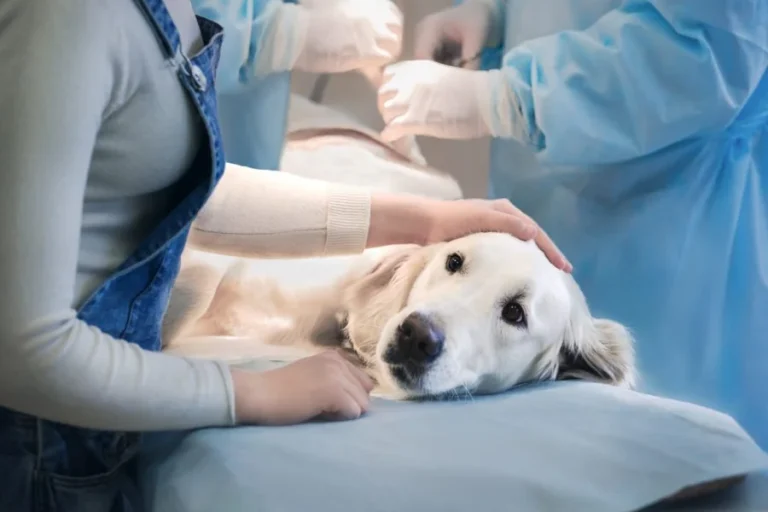
When you rush in with a sick or injured pet, staff often begin triage at the front desk. They look at breathing, bleeding, and level of response. If your pet is in crisis, they may take your pet to the treatment room at once. They might ask you to wait for a short time.
In those first minutes, the team will often:
- Check airway, breathing, and heart rate
- Give oxygen if breathing is weak
- Place an IV catheter and start fluids
- Control heavy bleeding
- Give pain relief
Next, the veterinarian speaks with you. You hear a short summary. You hear the most likely causes. You hear what tests or treatments come next. The talk is brief but direct. The goal is to move fast while you still feel heard.
Common Emergencies Your General Veterinarian Can Handle
General veterinarians treat many life threatening problems every week. Some need full specialty care later. Yet the first care often happens in your local clinic.
Common emergencies include:
- Severe vomiting or diarrhea
- Hit by a car
- Heat stroke
- Seizures
- Allergic reactions with swelling
- Wounds from bites
- Blocked urine in male cats
- Heart or breathing crises in older pets
General veterinarians can start oxygen, cooling, wound cleaning, pain control, and many surgeries. They remove some foreign objects. They drain some wounds. They manage seizures. They can hospitalize your pet for close watching when safe.
When Your Pet Needs A 24 Hour Emergency Hospital
Some cases need tools that many small clinics do not have. This includes blood banks, advanced imaging, or full night care. Your veterinarian weighs these needs in the first exam.
Here is how general clinics and 24 hour hospitals can differ.
| Service | General Vet Clinic | 24 Hour Emergency Hospital
|
|---|---|---|
| Hours | Daytime. Some evenings | All day and night |
| Staff on site at night | Often none | Doctors and nurses on duty |
| Imaging | X-rays. Basic ultrasound | Advanced ultrasound. CT in some centers |
| Blood products | Limited or by order | Blood and plasma stored on site |
| Intensive care | Short term monitoring | ICU level care and monitoring |
Your veterinarian explains when transfer is safer. You may hear that your pet is stable enough to move. Or you may hear that a quick move is risky and first care must happen where you stand. That choice is never easy. It is based on training, not guesswork.
How You Can Help During An Emergency Visit
You play an active role during emergencies. Fear can freeze you. A simple plan can give you purpose.
You can help by:
- Keeping a written list of your pet’s medicines
- Knowing any drug or food reactions
- Bringing past records if you use more than one clinic
- Staying calm and answering questions with short clear facts
- Letting staff work when they rush your pet to the back
The American Veterinary Medical Association offers checklists for pet emergency kits and records. You can print one and keep it with your leash or carrier.
Planning Ahead Before Crisis Strikes
You cannot stop every emergency. You can limit chaos. Planning also lowers the chance of regret after a hard outcome.
Consider three key steps.
- Ask your clinic what happens after hours. Write down the nearest 24 hour hospital and its phone number.
- Set aside funds or pet insurance for sudden care. Even a small fund can change choices.
- Learn basic first aid for pets. Ask your clinic for safe tips on transport, bleeding control, and CPR classes.
These steps do not remove fear when your pet suffers. They do give you clear moves. That control can steady your voice and your hands when you call for help.
Trusting Your General Veterinarian When Every Second Counts
In the hardest moments, you stand in a small exam room and hand your pet to another person. That act needs trust. General veterinarians train for that trust. They hold skills for both routine care and sudden crisis. They stop the worst bleeding. They open blocked airways. They keep hearts beating long enough to reach higher care if needed.
When trouble comes, you are not alone. Your local clinic is more than shots and checkups. It is often the first strong shield between your pet and loss.